
All things trends, social media, luxury and marketing
From curated case studies to insights on strategy, creativity, and community
EDITORIAL
THE
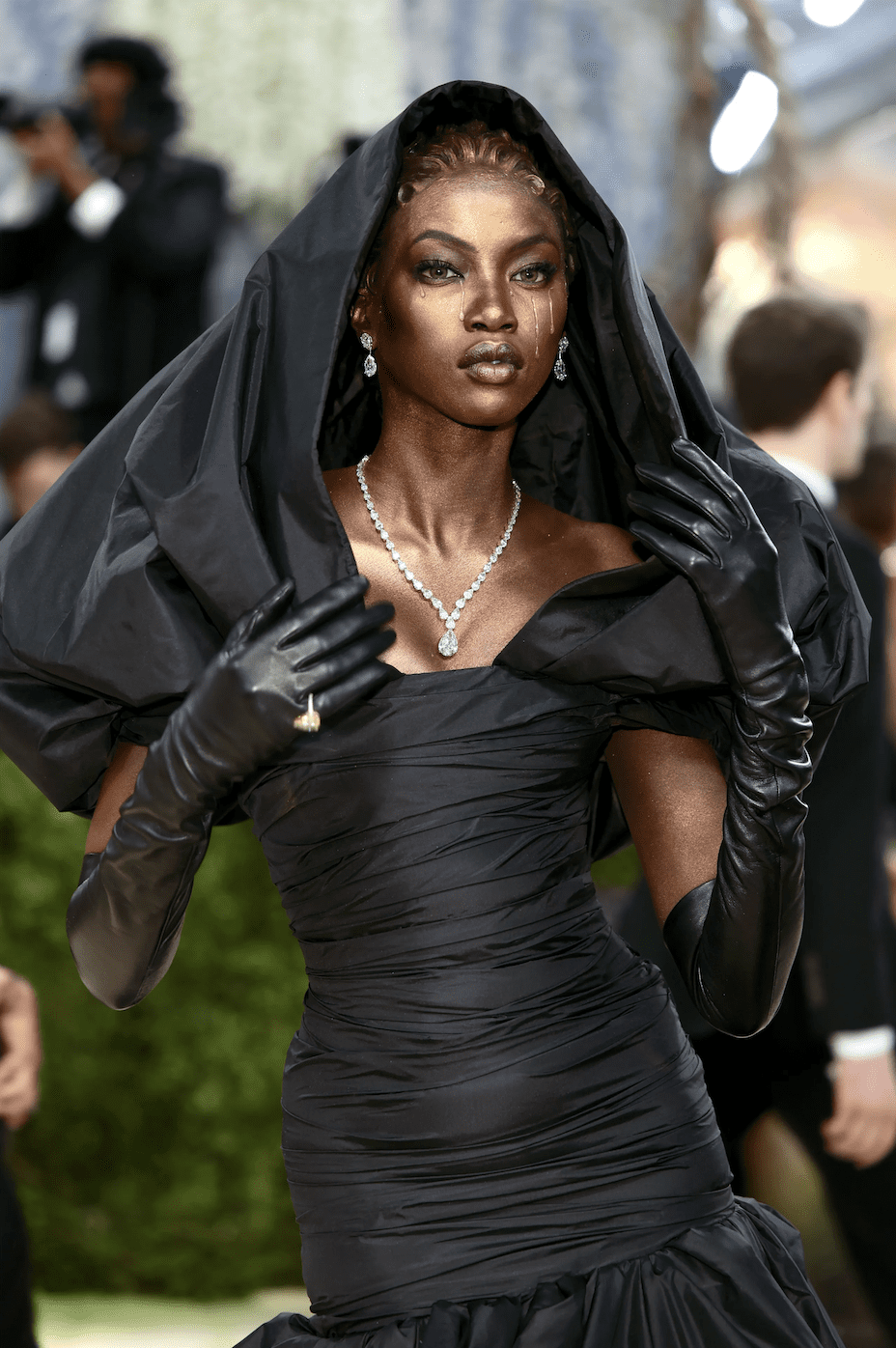
Every year, the Met Gala is described as fashion’s biggest night. But for marketers, strategists, and brand builders, it is much more than a red carpet. It is one of the most powerful examples of cultural storytelling in action.
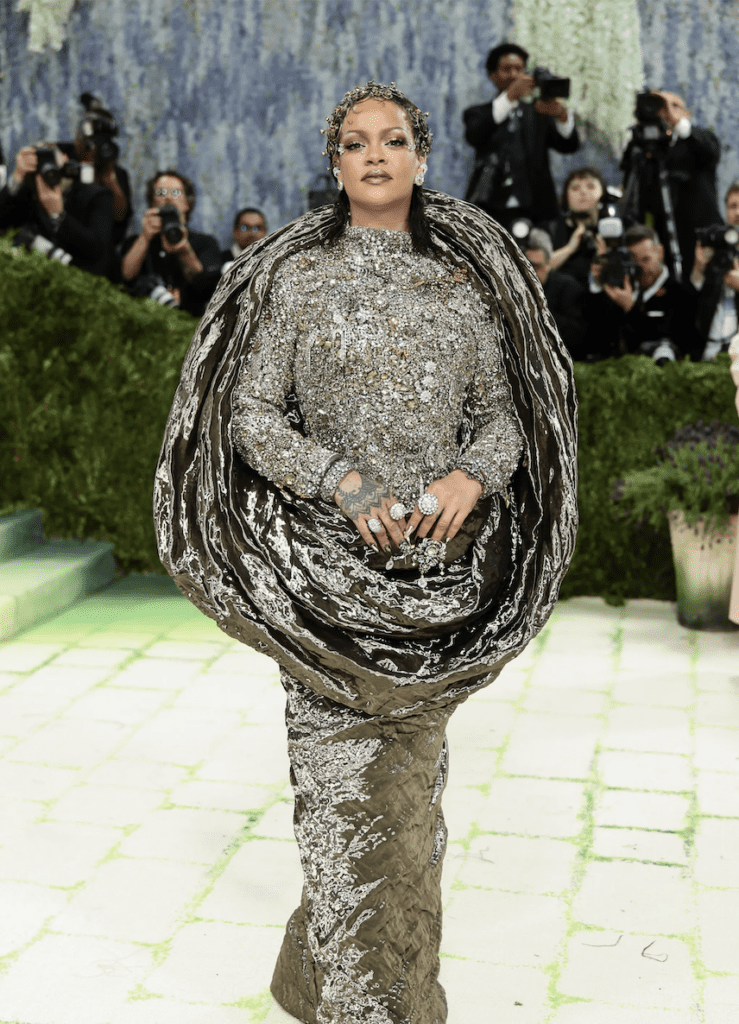
The 2026 Met Gala, held on Monday, May 4, celebrated the theme “Costume Art,” with the dress code “Fashion is Art.” The exhibition at The Metropolitan Museum of Art explores the dressed body through garments, paintings, sculptures, and objects spanning thousands of years of art history. In other words, this year was not simply about fashion looking beautiful. It was about fashion carrying meaning.
That is exactly where the lesson for brands begins.
In a crowded digital landscape, attention is easy to chase but difficult to keep. Brands publish more content than ever, yet many still struggle to create something people remember. The problem is rarely visibility. The problem is meaning.
The Met Gala understands this better than most. It does not ask guests to simply dress well. It gives them a world to enter, a theme to interpret, and a cultural conversation to join. The result is not just a night of outfits. It is a full storytelling ecosystem.
And that is what strong brand strategy should do.
A Theme Is More Than a Creative Idea
The genius of the Met Gala lies in its use of a theme. Each year, the theme acts as a strategic brief. It gives designers, celebrities, stylists, photographers, editors, and audiences a shared point of reference. Without a theme, the red carpet would still be glamorous. With a theme, it becomes meaningful.
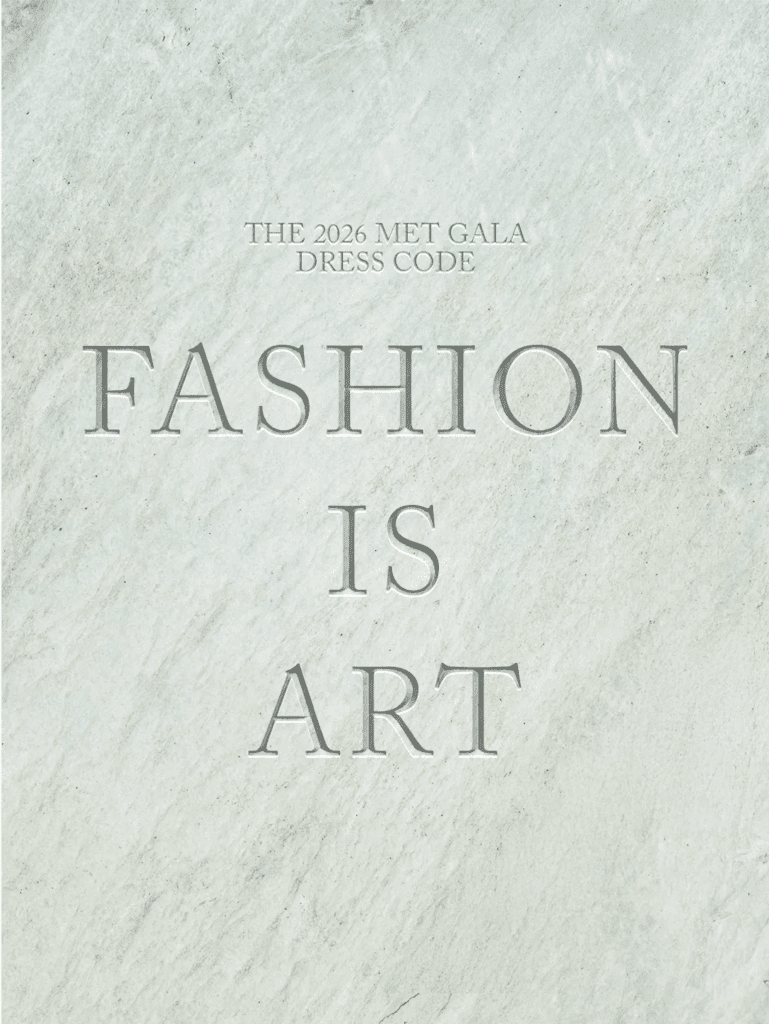

This is the difference between style and strategy.
For brands, a theme is not just a campaign line or a seasonal concept. It is the central idea that gives direction to every touchpoint. It tells the audience what world the brand belongs to, what values it represents, and what kind of conversation it wants to lead. A strong theme helps a brand move from scattered content to coherent storytelling. It gives social posts, visuals, copy, events, partnerships, and campaigns a common thread. It creates recognition not only through design, but through intention.
Many brands want to be memorable, premium, disruptive, elegant, or community-driven. But those words mean little unless they are translated into a clear creative world. The Met Gala reminds us that a strong concept gives people something to understand, interpret, and discuss.
Constraint Creates Creativity
At first glance, a theme may seem restrictive. Everyone is asked to respond to the same idea. But that is exactly what makes the event interesting. The most memorable looks are not the ones that ignore the brief. They are the ones that interpret it with intelligence, personality, and risk. This is a valuable lesson for brand strategy. Creativity does not always need total freedom. In fact, too much freedom often leads to generic work. Without boundaries, content can become inconsistent, reactive, or forgettable.
Clear strategic constraints make creativity stronger.
A good brand framework does not limit imagination. It focuses it. It helps teams understand what belongs to the brand and what does not. It creates a recognizable language that can evolve without losing its identity.
For a digital marketing agency like By A Management, this is especially relevant. Brands do not need to post more for the sake of posting more. They need to create from a clear point of view. They need structure, rhythm, and a story that holds everything together.
Visuals Matter, But Meaning Matters More
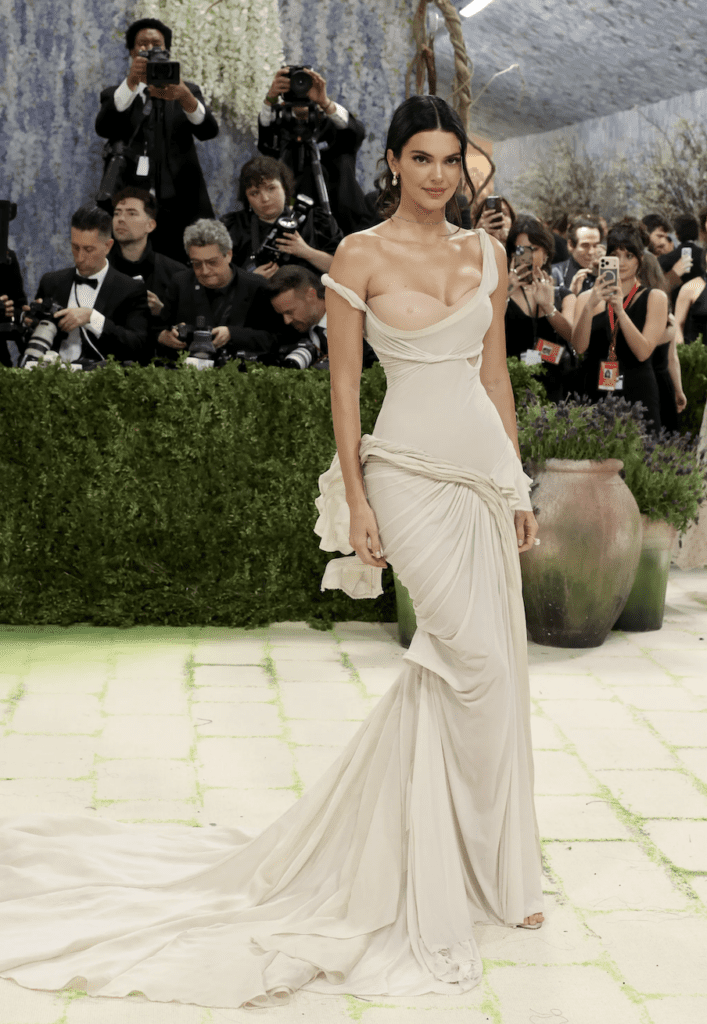
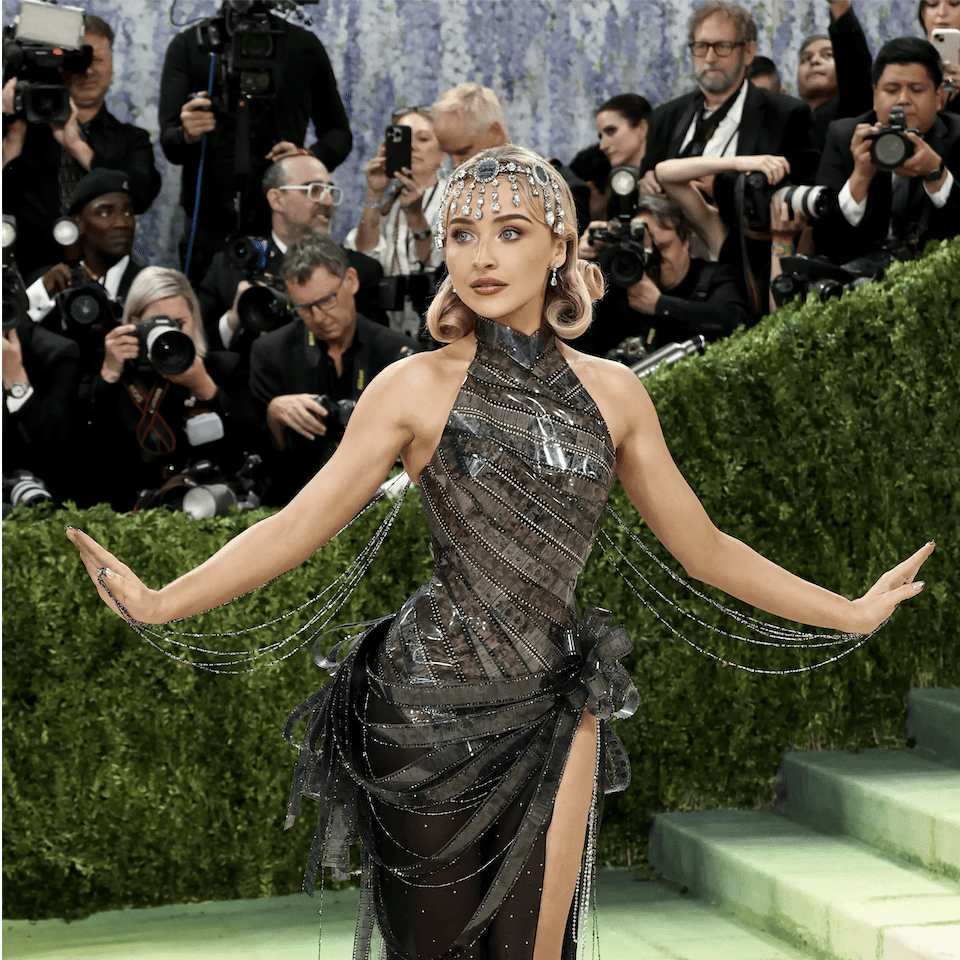
The Met Gala is a visual spectacle, but the visuals only work because they invite interpretation. A dress, suit, silhouette, material, or reference becomes interesting when it says something. This is where many brands go wrong. They invest in aesthetics without building the meaning behind them. They choose colors, fonts, campaigns, and content formats because they look good, not because they communicate a position.
But design without strategy is decoration.
The strongest brands understand that visuals are not separate from messaging. They are messaging. Every visual decision should reinforce the story the brand wants to tell. The Met Gala proves that audiences do not only look. They decode. They ask what something means, what it references, why it was chosen, and how it connects to the theme. That same behavior exists online. Consumers are constantly reading signals from brands, even when they do not realise it.
The Best Stories Invite Participation
One of the reasons the Met Gala remains culturally powerful is that it does not end when the red carpet closes. The conversation starts before the event and continues long after it.
Before the event, people speculate about the theme, the guest list, and the possible interpretations. During the event, they react in real time. After the event, they analyze, rank, praise, criticize, and decode every detail.
That is not accidental. It is strategic.
The event creates anticipation, spectacle, and interpretation. It gives audiences a role. People are not just passive viewers. They become commentators, critics, fans, and amplifiers. Brands can learn from this. A campaign should not only be designed to be seen. It should be designed to be discussed. The strongest campaigns create entry points for the audience. They leave room for reaction. They invite people to feel involved, whether through emotion, identity, aspiration, debate, or shared cultural context.
This is especially important in digital marketing. Platforms reward conversation, but conversation does not happen because a brand asks for engagement. It happens because the story gives people something worth engaging with.
Cultural Relevance Requires Timing and Taste
The Met Gala also shows the power of cultural timing. It happens at a fixed moment every year, yet it feels fresh because the theme changes, the cast changes, and the cultural context changes. This balance is important for brands. Consistency builds recognition, but relevance keeps people interested.
A brand should know its core identity, but it should also understand the cultural moment around it. What are people talking about? What are they questioning? What visual language feels current? What values are shaping desire, trust, and attention?
Being culturally relevant does not mean chasing every trend. It means knowing which conversations make sense for the brand to enter, and how to enter them with taste. The Met Gala does not succeed because it follows culture. It succeeds because it frames culture. That is the difference between trend participation and brand leadership.
Final Thought
The Met Gala may belong to fashion, art, and celebrity culture, but its real power lies in storytelling. It shows us that attention is not created by appearance alone. Attention is created when appearance, meaning, timing, and participation work together.
That is also the future of brand communication.
At By A Management, this is where we believe strategy and storytelling meet. A brand does not need content for the sake of content, visuals for the sake of beauty, or trends for the sake of relevance. It needs a clear narrative that gives every creative decision a purpose. Because when a brand knows its story, everything becomes more intentional: the visuals, the words, the campaigns, the platforms, and the way people experience it.
For brands, the question is no longer only: how do we show up?
The better question is: what story are we inviting people into?
And that is the kind of story we help brands build at By A Management.
Leave a Reply

– anabel, ceo & founder
Do what you love and love what you do.
Behind our articles stands a team of strategists, marketing experts, and creatives who don’t just talk about digital success – we build it every day. At By A Management, we believe in transparency, expertise, and showing our work. This editorial is your backstage pass to our thinking, our process, and our people.
By A Management is a growing boutique creative agency based in Zurich and Madrid. We specialize in social media, content creation, and strategy-led brand growth for luxury, wellness, lifestyle and fitness brands.


