
All things trends, social media, luxury and marketing
From curated case studies to insights on strategy, creativity, and community
EDITORIAL
THE
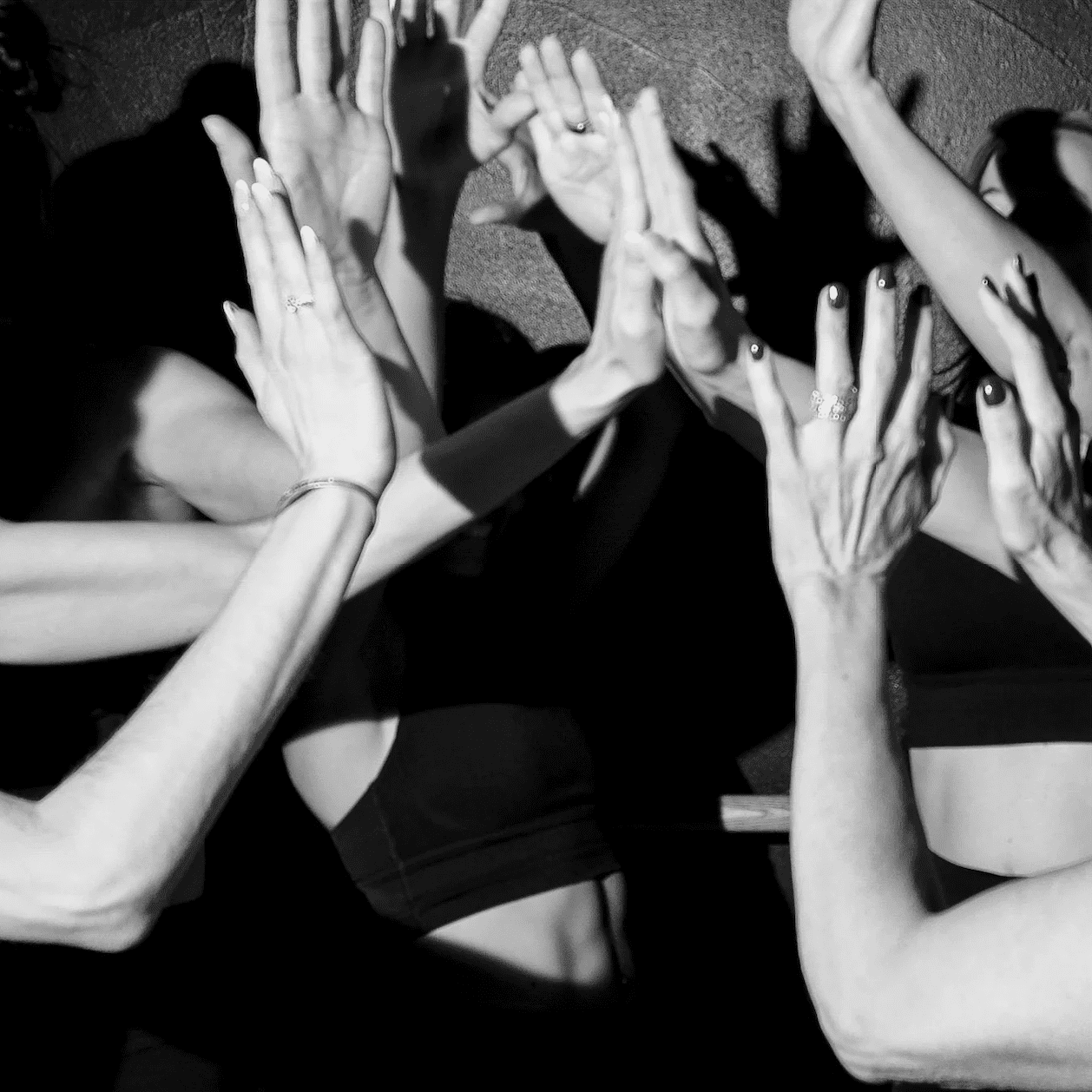
Belonging Is the New Loyalty Metric
There is a particular kind of loyalty that has nothing to do with results. It shows up quietly, n the small, unmeasurable details that make up a wellness brand community: a studio, a clinic, a fitness label: the instructor who remembers a name without checking a screen. The group chat that outlived the retreat it was created for. The ease of walking into a room and already recognising three people in it, before class has even started. The front desk that knows to ask about the injury from last month, without being reminded. None of it is engineered by a growth chart, and none of it shows up in a testimonial. It is felt long before it is explained, and it is usually the real reason someone keeps coming back, long after the novelty of the first class has worn off.
This is not a small emotional detail sitting on top of a wellness brand’s strategy. Increasingly, it is the strategy. In a category built on trust, repetition, and long-term relationships, the brands winning the most loyal followings are not necessarily the ones with the most polished content, the newest studio design, or the biggest marketing budget. They are the ones that have figured out how to make people feel like members of something, rather than customers of something. A customer compares. A customer checks prices, reads reviews, and considers the studio two blocks away with the same equipment and the same schedule. A member does not compare, because what they are loyal to was never really the product in the first place. It was the feeling of being known, of being expected, of belonging to a room before they even walk into it.


Wellness Was Always Meant to Be Build Community
There is a reason a boutique pilates class feels different from a solitary treadmill session at home, and it is not just the choreography. Group wellness experiences carry a social contract: showing up together, moving together, being seen trying. That shared vulnerability is exactly what makes community-building so natural in this category, and exactly why brands that ignore it are leaving their strongest asset unused.
Recent cross-brand wellness events illustrate this well. In cities from Miami to Calgary, clinics and studios have begun co-hosting mornings that combine movement, skincare, and recovery, a pilates class followed by mini facials, a run club paired with a nutrition talk, a yoga session bookended by a founder-led conversation about longevity. None of these format experiments are really about the treatments on offer. They are about giving people a reason to gather, and giving several brands a shared audience built on trust rather than competition.
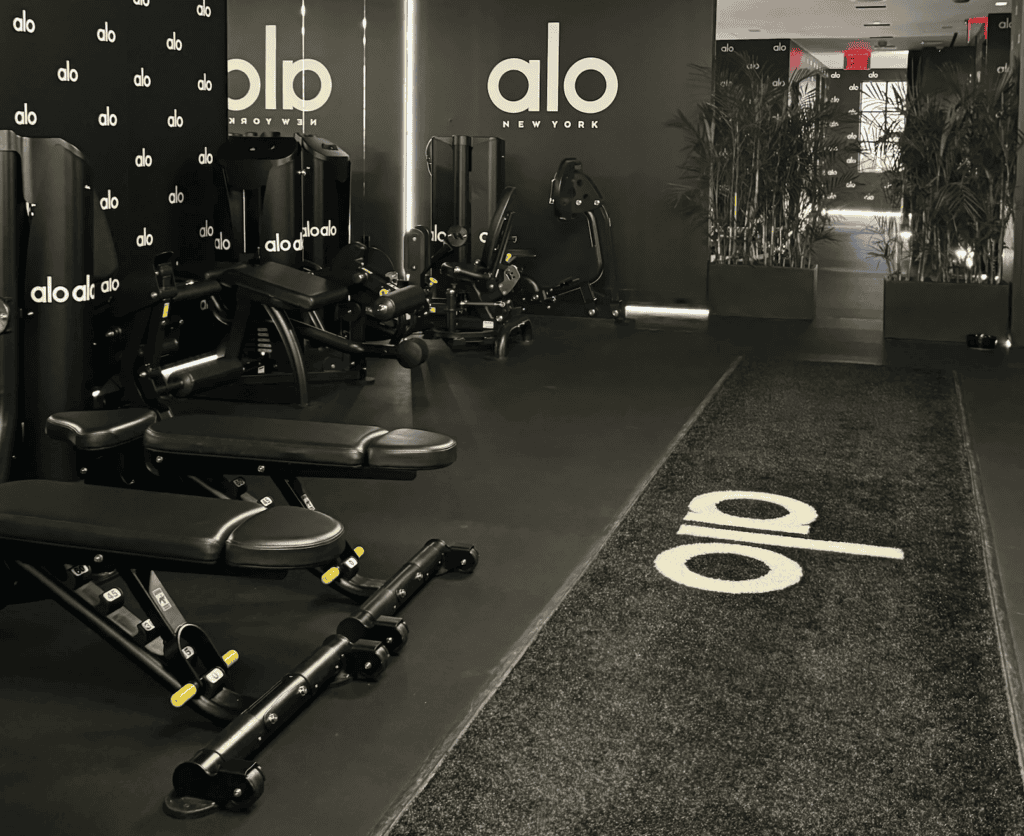
Alo has run community-led pilates sessions timed around cultural moments like International Women’s Day, deliberately framed around collective wellbeing rather than product promotion. The takeaway is not that every brand needs a flagship event. It is that the strongest wellness communities are built in rooms, not just in comment sections, and social media’s job is to document, extend, and deepen what already happens in person, not replace it.
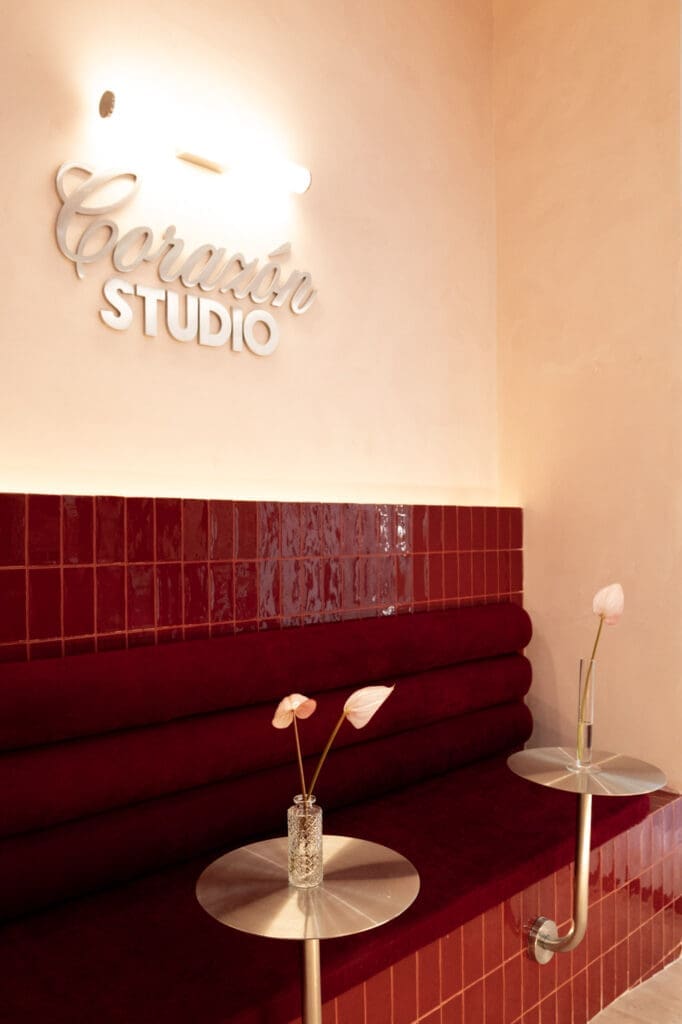
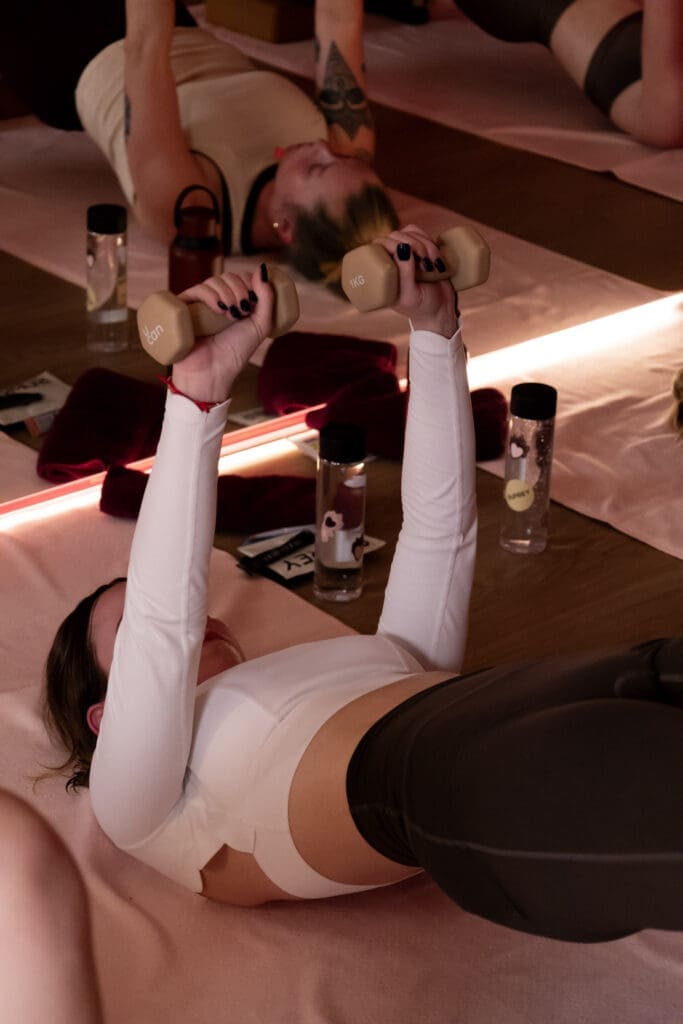
At By A Management, this is exactly the layer of strategy we build into every brand we work with. Belonging is not an accident of a good product or a likeable founder. It is designed, the same way a content calendar or a campaign is designed: through the community activations we plan, the recurring rituals we build into a brand’s monthly rhythm, the tone of voice we set for how a brand responds to its own comments, and the small, repeatable formats that give people a reason to feel like they are part of something, rather than being sold to.
With The Mix, this looked like something as simple as a weekly story: a consistent “today’s ride” update, posted at the same rhythm every week, with the same instructors people already know by name. No giveaway attached, no urgency, nothing beyond a small, dependable check-in that the community started to expect. The result was not only higher numbers. It was a studio where members feel like the brand already knows them before they walk through the door.
The Feed Should Feel Like a Room, Not a Billboard
Community is not built through frequency of posting. It is built through recognition. A brand that shares “come to class Tuesday” every week is broadcasting. A brand that shares the regulars by name, celebrates a member’s small milestone, or lets a client’s honest comment sit in the caption instead of a polished quote is building something closer to a shared history. This distinction shows up clearly in the tone of a grid. A billboard-style feed announces: new class, new product, new hours. A community-style feed narrates: who showed up, what was said in the room, what almost didn’t happen but did. The second kind takes more care to produce, because it requires actually knowing the people in front of the camera, not just the schedule behind it.
For social media management specifically, this changes what “content calendar” means. Instead of only planning promotional posts, a calendar built around community includes founder access, behind-the-scenes moments from classes or treatments, member spotlights, and space for the small, unscripted interactions that make an account feel lived-in rather than curated into silence.
The same logic reshapes what a community activation should look like. An event built to promote is measured by turnout. An event built to belong is measured by return. A monthly gathering, a themed class, a founder Q&A: the format matters less than whether it gives people something to reference the next time they show up, an inside joke, a face they now recognise, a moment they were actually part of. That is the difference between an event people attend once out of curiosity and one they build into their calendar without needing to be reminded.
It also changes how a brand should handle the less glamorous, day-to-day parts of social media management: replying to comments, answering DMs, moderating a community thread. These are usually treated as maintenance, the parts of the job that happen after the “real” content is posted. But for a brand trying to build belonging, they are often the most important touchpoint of all, because they are the moments a member notices whether they are actually being seen, or simply being managed.
This is why we treat event planning and social media strategy as inseparable rather than sequential. An event designed only to be experienced in the room misses half its value. An event designed with content in mind — without becoming staged or artificial — gives a brand months of material that says, quietly and repeatedly, this is what it feels like to belong here.
At By A Management, our approach to Community Activations, PR & Event Management exists specifically to design experiences worth documenting: from intimate studio gatherings to full brand activations, supported by on-site coverage that turns a single evening into weeks of authentic content.
The Social Club Effect
Some of the most desired brands in luxury and wellness have quietly built something resembling a private club, even without calling it that. Access to a founder’s WhatsApp broadcast list. An invite-only monthly gathering. A retreat that only a small group of loyal clients ever hear about. These are not simply retention tactics. They are status markers — the modern equivalent of a members’ lounge, where belonging becomes part of what a client is actually paying for.
This is the exact instinct behind our own Social Club: a space that connects our clients with like-minded brands and individuals through curated events and collaborations, extending community beyond any single Instagram grid. The brands that understand this earliest tend to build the most resilient followings, because their audience is not just consuming content. They are participating in something they would feel a loss in leaving.


Building Community Is a Long Game, Which Is Exactly the Point
There is an important distinction between performing community and designing for it. Reposting every tagged photo is not community. Responding to comments with a generic heart emoji is not community. Real community-building requires a brand to make actual space: in its calendar, its content, and its events, for its audience to be seen as individuals, not as an aggregate follower count.
This is slower work than producing a beautifully lit product shot, and it does not always look as polished in a portfolio. But it is the work that determines whether a brand is merely followed, or genuinely missed when it goes quiet.
Unlike a campaign, community cannot be launched and measured in a single reporting period. It compounds. The member who first came to one class becomes the regular who brings a friend, who becomes the guest at the anniversary event, who becomes the person who defends the brand in a group chat the team will never see. None of that happens because of a single viral post. It happens because, consistently, the brand made people feel like they were part of something worth staying for.
For luxury, wellness, and lifestyle brands entering the second half of the year, this is worth sitting with. The brands that will feel unmissable this autumn are unlikely to be the loudest. They will be the ones whose community already feels like it would notice, and mind, if the brand disappeared tomorrow.
At By A Management, we help brands design that sense of belonging deliberately, through social media strategy, content that captures real community moments, and events built to be experienced first and documented second.
Leave a Reply

– anabel, ceo & founder
Do what you love and love what you do.
Behind our articles stands a team of strategists, marketing experts, and creatives who don’t just talk about digital success – we build it every day. At By A Management, we believe in transparency, expertise, and showing our work. This editorial is your backstage pass to our thinking, our process, and our people.
By A Management is a growing boutique creative agency based in Zurich and Madrid. We specialize in social media, content creation, and strategy-led brand growth for luxury, wellness, lifestyle and fitness brands.


