
All things trends, social media, luxury and marketing
From curated case studies to insights on strategy, creativity, and community
EDITORIAL
THE
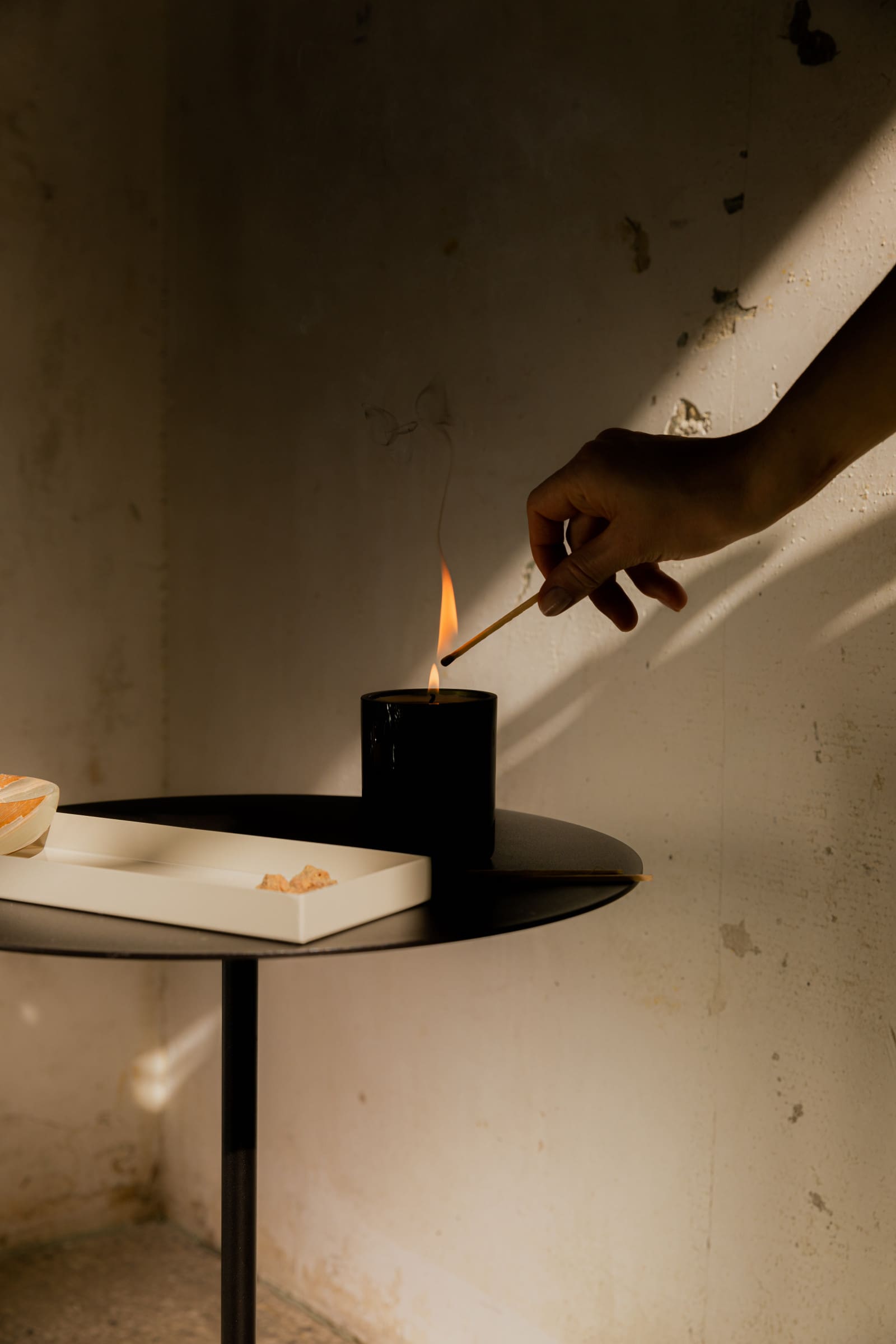
For years, brand experiences have been designed with two audiences in mind: the people in the room and everyone who might see the event through their screens. Photogenic installations, recognisable backdrops and carefully staged details helped an activation travel far beyond its guest list. The experience happened offline, but much of its reach and value came from what appeared online afterwards.
That relationship is beginning to change. As consumers become more conscious of their screen time, uninterrupted attention is becoming increasingly valuable. Mastercard’s 2026 research across more than 27,000 European consumers found that 60% are prioritising offline experiences to balance the time they spend online, while 63% plan to attend digital detox events.
The numbers suggest this extends beyond a passing aesthetic trend. Mastercard’s 2026 research across more than 27,000 European consumers found that 60% are prioritising offline experiences to balance the time they spend online, while 63% plan to attend digital detox events. For brands, this does not signal a retreat from digital marketing. It creates a different opportunity: to build physical experiences that audiences value for being present, not simply for being shareable.
60%
of European consumers are prioritising offline experiences to balance the time they spend online
MASTERCARD · 2026
From screen fatigue to analogue desire
Constant digital access has made discovery easier than ever. A hotel can be explored before a guest arrives, a new collection can circulate within minutes and an event can be experienced indirectly through dozens of Stories. Social media remains central to how consumers find brands and decide where they want to spend their time.
But when almost everything is accessible through a screen, physical presence starts to offer something different. Intimate dinners, listening sessions, private previews, workshops and other deliberately analogue formats create value through participation. The audience has to be there to experience them fully.
This is particularly relevant for wellness, hospitality and luxury brands, where the physical experience has always been part of the product. A treatment, scent, tasting, space or service cannot be fully reproduced through content. That gap between seeing something and experiencing it is becoming an increasingly interesting place for brands to work.


Rare Beauty is taking the experience offline
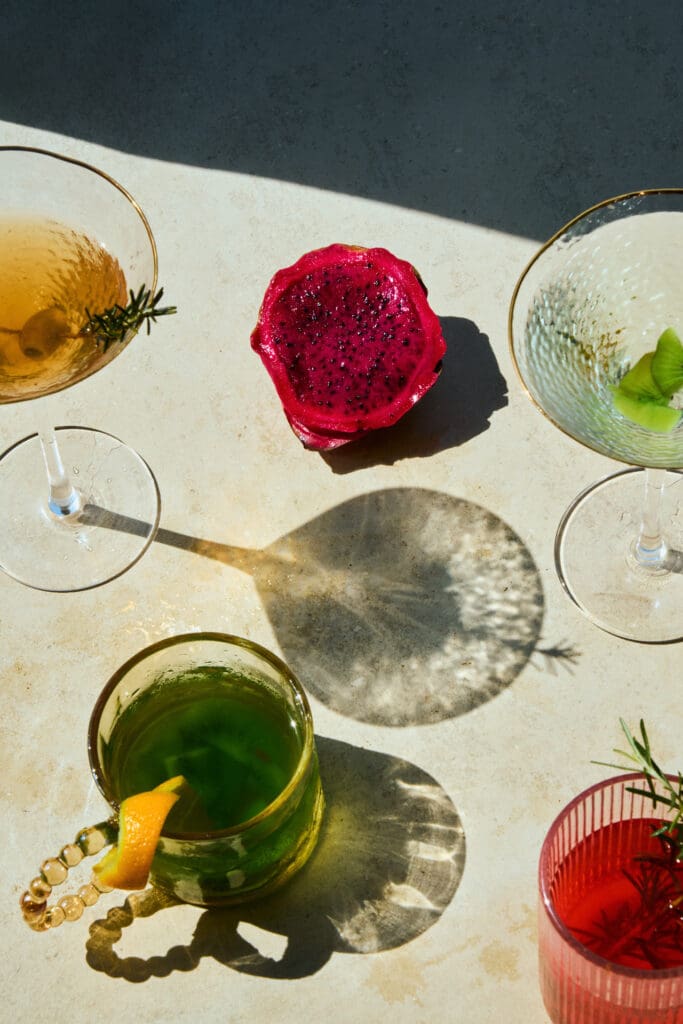
Rare Beauty offers one of the clearest recent examples. In 2026, the brand introduced Rare Offline, a series of intimate, phone-free dinners built around in-person connection. A later edition in Paris also became a preview for Rare Beginnings, the brand’s first fragrance.
The format works because removing the phone is connected to the experience itself. Fragrance can be photographed and discussed online, but scent cannot travel through a screen. Experiencing the product physically gives guests access to something digital communication cannot reproduce.
More importantly, Rare Beauty did not design the dinners around maximising content output. The experience retained its value even if guests did not document every part of it. That shifts the usual logic of a brand activation. Instead of asking how every element will appear on social media, the brand can first ask what will make the experience worth attending.
Social content and PR still matter, but they no longer have to dictate every creative decision made in the room.
Exclusivity is changing too
Luxury has always understood the value of access. Digital platforms have made previously inaccessible brand worlds remarkably visible, from runway shows and private events to hotel suites and new product launches. That visibility has created enormous reach, but it also means that not everything being visible can feel distinctive again.
The EY Luxury Client Index 2026 found that 67% of Swiss luxury consumers surveyed would be willing to pay for exclusive experiences. At the same time, 77% worry that digital technologies could diminish the human element of the luxury experience.
For marketing teams, this creates room to think about exclusivity beyond price or product scarcity. A private preview, intimate dinner or carefully curated brand experience can offer access to something that cannot be consumed in exactly the same way from elsewhere.
The objective is not artificial secrecy. It is to give physical participation a reason to matter.
Phone-free is not a creative concept
As soon as a cultural shift becomes a trend, there is a temptation to reproduce its most visible feature. In this case, that would mean taking away the phones.
But removing a screen does not make an experience meaningful. If anything, asking someone to disconnect raises expectations for what replaces it. The setting, hospitality, guest mix, programming and sensory details all become more important when the experience itself has to hold people’s attention.
For a hotel or spa group, this could mean experiences built around ritual, restoration or shared participation. F&B brands might explore intimate dinners, tastings or community formats. Fashion, skincare and jewellery brands can create private previews, workshops or tactile encounters with products and materials. The specific format matters less than the reason behind it.

Logging off is not the concept.
The experience is.
Offline still needs an online strategy
An offline experience does not exist separately from the rest of the brand. The question for marketing teams is where digital communication adds value and where it starts to interfere with what the experience is trying to achieve.
Before an activation, social media can build anticipation and establish its creative world. PR and ambassadors can bring the right people into the conversation and into the room. Afterwards, selected content can extend the story to a wider audience without reproducing every part of what happened.
That balance will look different depending on the objective. A public activation designed to introduce a brand to new audiences needs a different approach from an intimate client event focused on loyalty. In both cases, the online and offline strategy should be planned together rather than treated as separate pieces of work.
For established brands with multiple teams, locations or external partners, that coordination becomes particularly important. Creative direction, guest strategy, production, content and social need to reinforce the same idea if the experience is going to feel coherent.
Creating something worth being present for
The rise of offline experiences is ultimately less about rejecting technology than recognising the value of attention. When audiences spend much of their day moving between screens, a brand that gives them a compelling reason to focus on one place, one group of people or one experience can create a different kind of connection. That requires more than an event concept. It means understanding who the experience is for, why they should want to be there and how the moment fits into the wider brand and marketing strategy.
At By A Management, we develop brand activations and events with that wider picture in mind. From creative direction and PR to content and social media strategy, we connect the physical experience with the communication around it, so that each channel has a clear role rather than competing for attention.
Planning a brand experience that deserves your audience’s attention?
Leave a Reply

– anabel, ceo & founder
Do what you love and love what you do.
Behind our articles stands a team of strategists, marketing experts, and creatives who don’t just talk about digital success – we build it every day. At By A Management, we believe in transparency, expertise, and showing our work. This editorial is your backstage pass to our thinking, our process, and our people.
By A Management is a growing boutique creative agency based in Zurich and Madrid. We specialize in social media, content creation, and strategy-led brand growth for luxury, wellness, lifestyle and fitness brands.


