
All things trends, social media, luxury and marketing
From curated case studies to insights on strategy, creativity, and community
EDITORIAL
THE
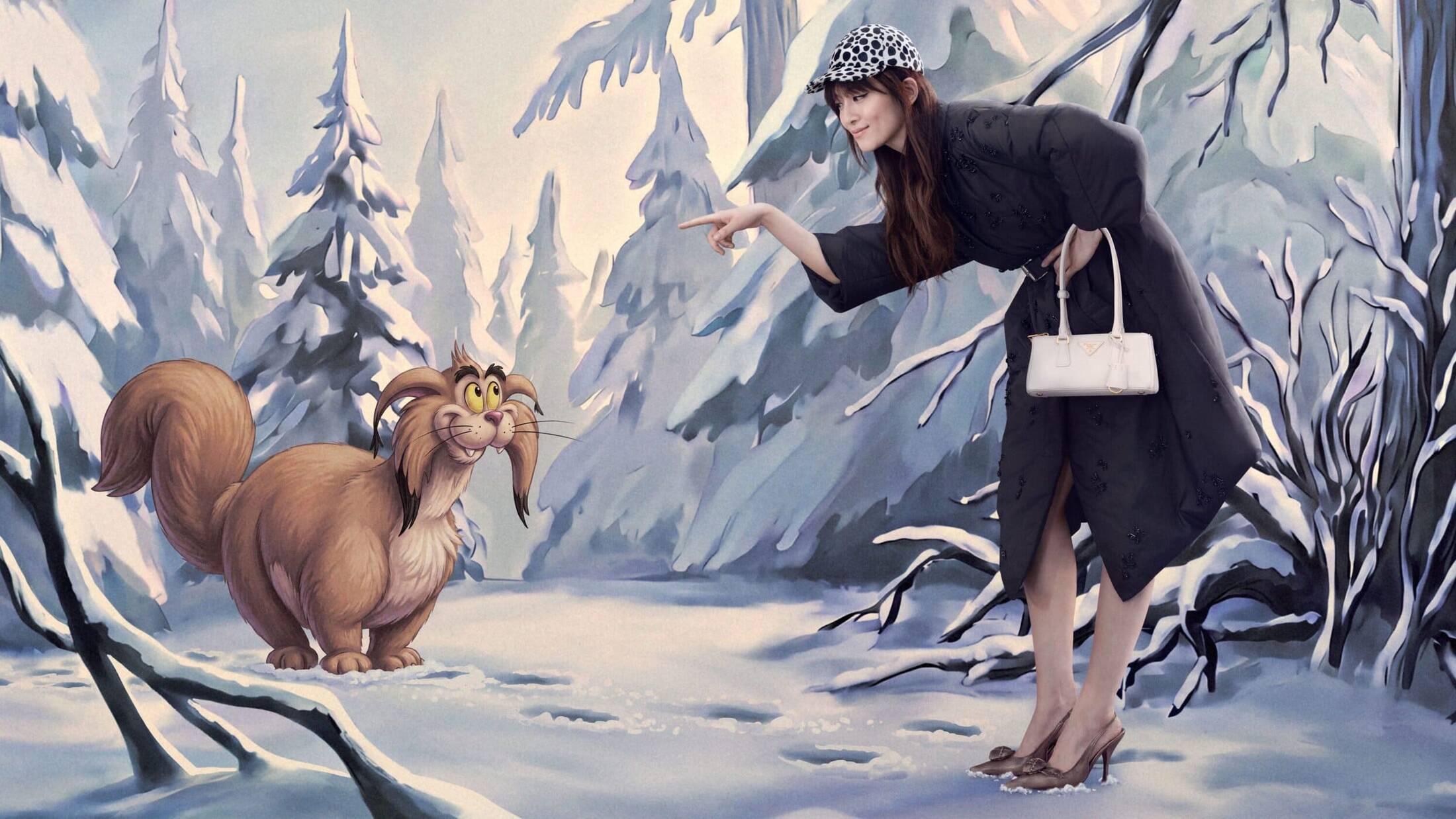
At a time when artificial intelligence can generate elaborate visuals in seconds, some of luxury’s most recognisable names are choosing creative processes that take weeks, months and hundreds of hours of human work.
Prada is drawing its holiday campaign by hand. Dior has commissioned an animated film from Sylvain Chomet. Loewe has celebrated 180 years of craftsmanship through thousands of individually painted frames.
The interesting question is not why these brands are returning to traditional techniques. It is why they are making sure audiences notice.
01 / THE SHIFT
When the Process Becomes the Statement
Luxury has always understood that value extends beyond the finished object. Provenance, expertise and the time invested in creation are part of what makes something desirable.
Today, some brands are applying that same logic to their campaigns. The creative process is no longer just a means of producing an image. It can become part of what the image communicates.
What makes this shift particularly interesting is the relationship between the work itself and the way it is presented. A sketch, an unfinished frame or a glimpse into an artist’s studio can reveal qualities that a polished final image leaves unspoken: attention, judgment and the individuality of the people involved.
For a brand, however, the value of showing the process depends on more than its visual appeal. The details selected must say something recognisable about its identity. Three recent campaigns illustrate how differently that principle can be expressed.
CASE STUDY 01 / PRADA
Prada: Making Creativity Tangible
For its 2026 holiday campaign, Drawing Prada: Animated by Hand, Prada collaborated with animator John Pomeroy to combine traditional hand-drawn animation with fashion photography by Glen Luchford.
The contrast between illustration and photography creates a distinctive visual universe. But the more interesting decision is to make the work behind that universe visible.
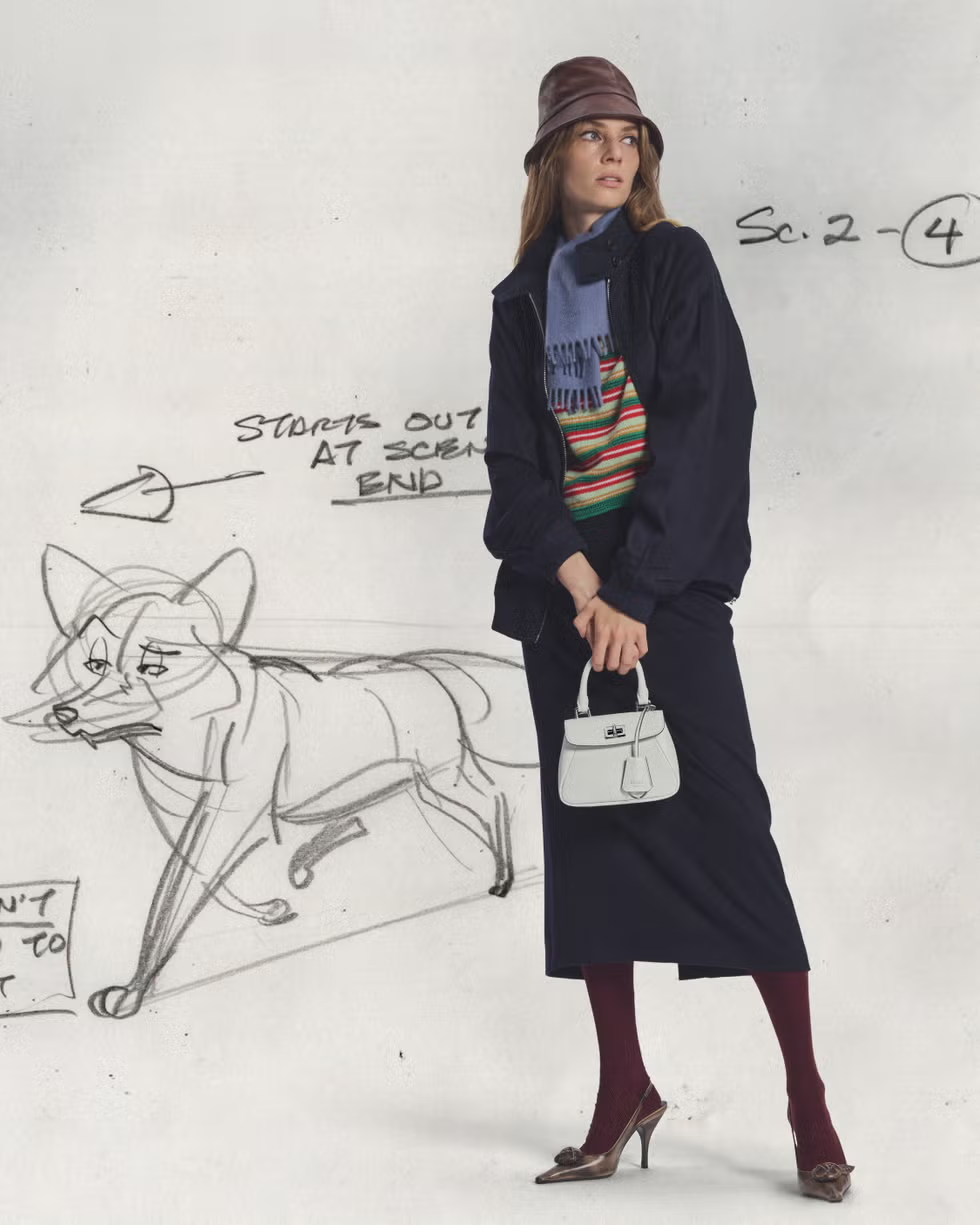
Through content documenting the animation process, Prada invites audiences to appreciate not only the finished campaign, but also the people and techniques responsible for it.
This distinction matters. A brand can describe itself as creative, innovative or committed to craftsmanship. Showing the decisions and expertise behind its work gives audiences something tangible on which to form that impression.
For Prada, whose identity has long embraced artistic experimentation, the medium reinforces an existing positioning. The technique does not create the brand’s identity on its own. It becomes meaningful because it expresses something the brand already stands for.
CASE STUDY 02 / DIOR
Dior: When the Medium Reflects the Maison
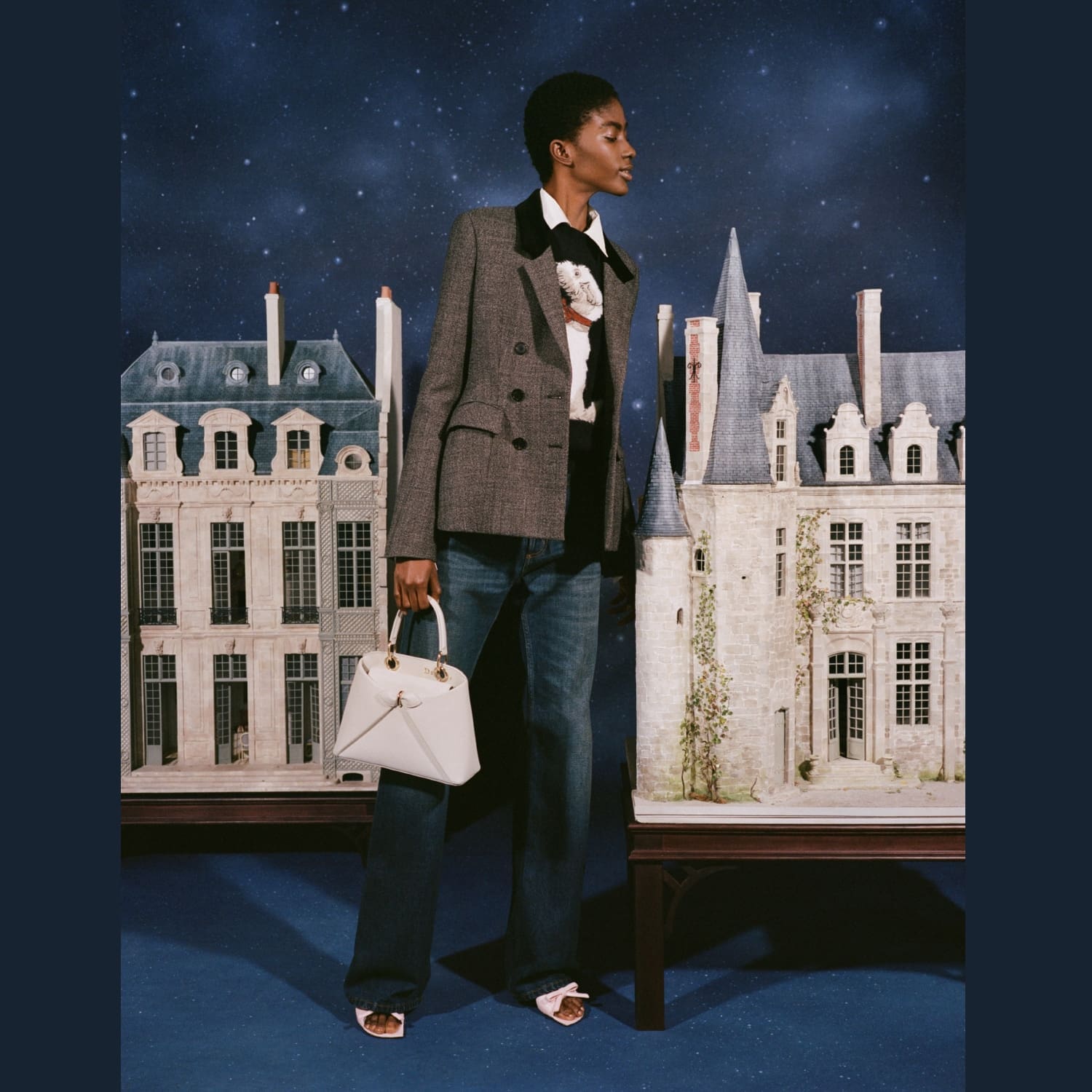
In Christian Dior’s Night in Color, directed by Sylvain Chomet, Dior uses traditional animation to explore the imaginative world of the maison.
Both haute couture and hand-drawn animation rely on specialised skills, patience and meticulous refinement. The choice of medium therefore offers a parallel between the craftsmanship behind Dior’s garments and the craftsmanship behind its communication.
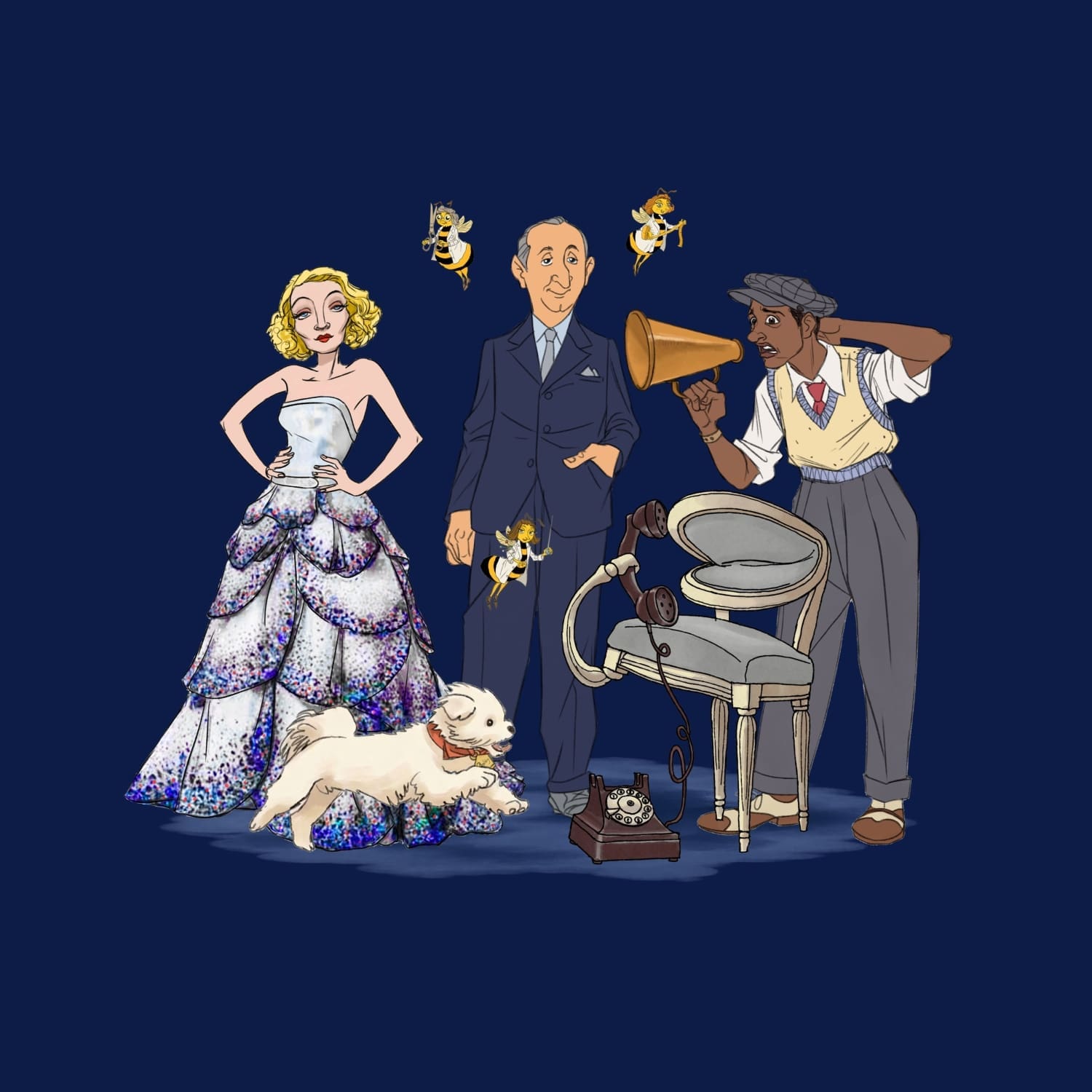
The maison has also shared content featuring Chomet and his creative process, giving audiences another perspective on the work involved.
For luxury brands, this suggests an interesting communication principle: expertise can be made perceptible without being repeatedly explained. The audience encounters the skill through the creative work itself.
Yet visibility requires selection. Showing craftsmanship does not mean revealing every detail of production. The opportunity lies in choosing the moments that deepen appreciation while preserving the sense of discovery associated with luxury.
Dior’s campaign provides a useful starting point for considering that balance, rather than a formula every brand should reproduce.
CASE STUDY 03 / LOEWE
Loewe: Heritage as a Living Creative Language
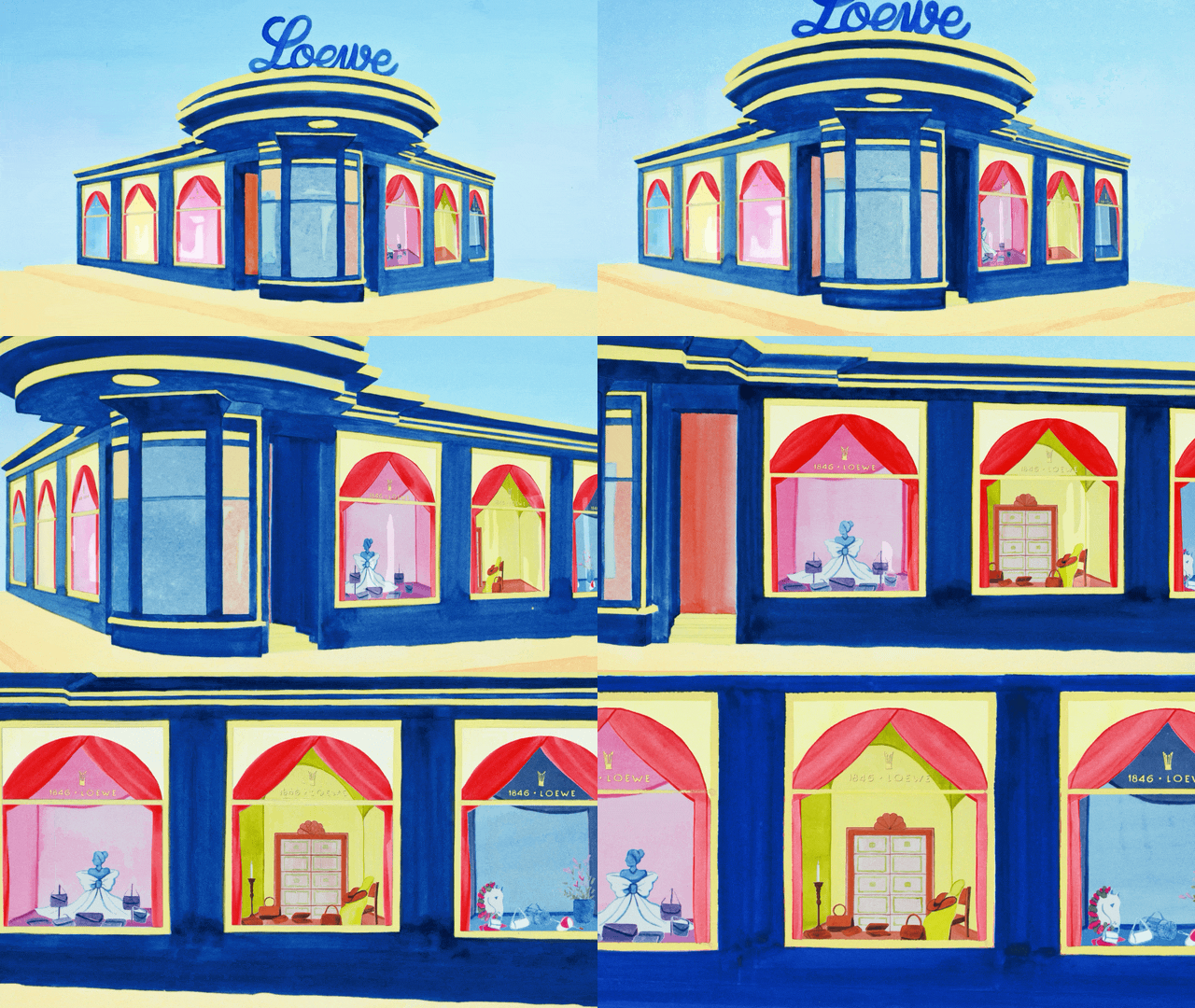
For its 180th anniversary, Loewe commissioned an animated film directed by Isabel Garrett, created through hand-painted illustrations.
According to production coverage, the film involved ten painters and more than 2,000 sheets of paper, with acrylic paint and oil sticks used to create its imagery.
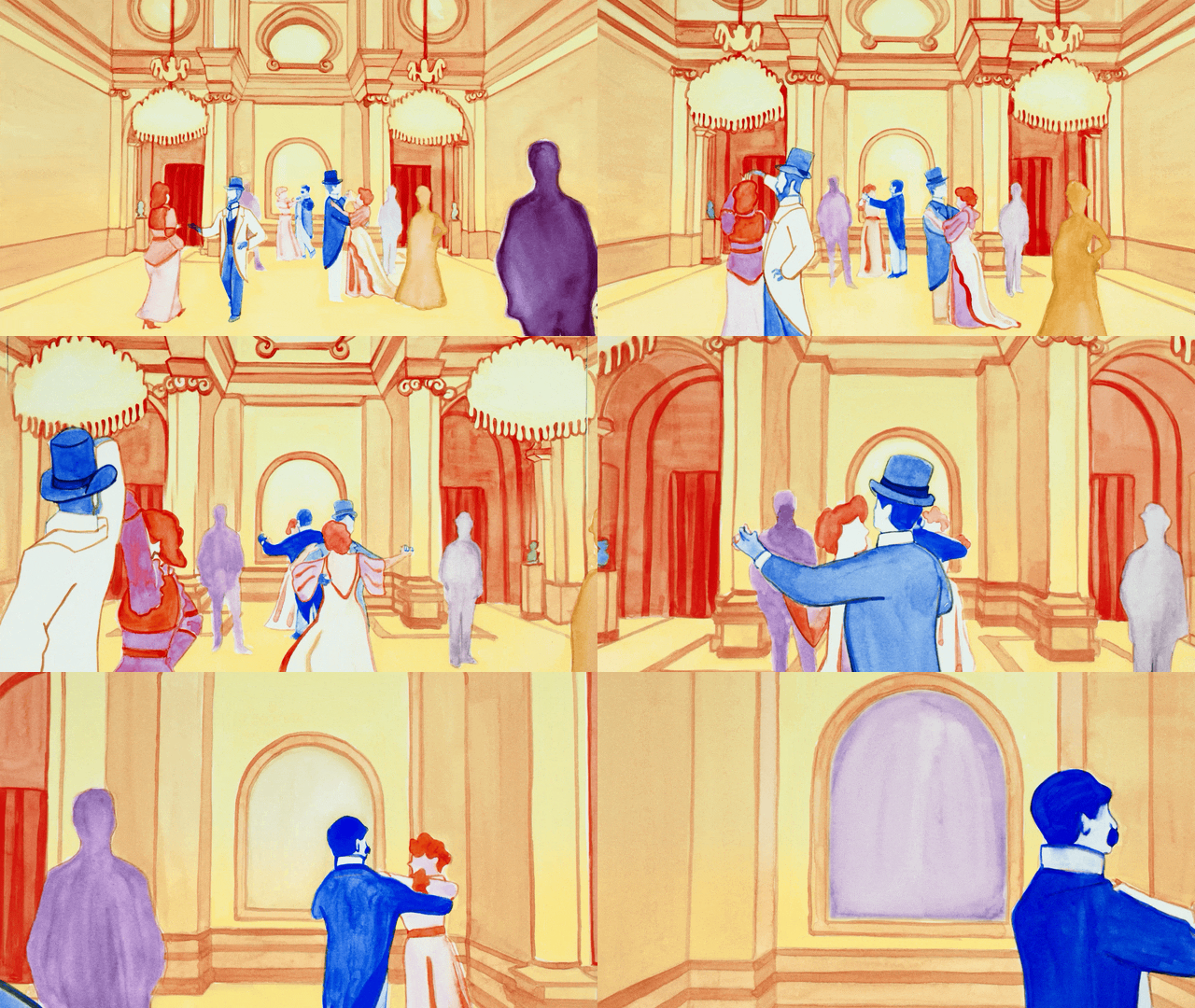
Founded as a leather workshop in Madrid in 1846, Loewe has a longstanding connection to artisanal expertise and material knowledge.
The film offers a contemporary interpretation of that heritage. Instead of relying solely on historical references, it uses a creative process that reflects the values associated with the house.
That distinction is important. Heritage does not have to be communicated exclusively through nostalgia. It can inform the materials, techniques and artistic collaborations a brand chooses today.
02 / THE CONTEXT
Why Human Craft Matters in the Age of AI
The renewed visibility of handmade creative work coincides with the increasing adoption of generative AI in advertising.
The IAB’s 2026 Digital Video Ad Spend Report documents the growing role of generative AI in video advertising production. As sophisticated imagery becomes faster and more accessible to create, visual polish alone may offer brands less differentiation.
For luxury, however, value has never depended entirely on appearance.
The origin of an object, the expertise of its maker and the time invested in its creation can all contribute to its perceived worth. These campaigns suggest that the same principles can influence how brands communicate.
A traditionally animated sequence or a hand-painted frame carries a story about its production. Making that story visible introduces another dimension to the finished work: the people, skills and decisions behind it.
This does not mean handmade production is inherently more authentic or effective than AI-assisted creativity. Nor does an artisanal aesthetic automatically make a campaign meaningful.
The differentiating factor is not the absence of technology. It is the coherence between what a brand represents and how it chooses to communicate.
03 / THE OPPORTUNITY
From Creative Production to Social Media Strategy
One of the most valuable lessons from these campaigns is that a brand’s strongest content may already exist outside its content calendar.
Many businesses concentrate their social media communication on finished results: a hotel room, a wellness treatment, a product or a completed interior.
Yet the decisions behind those results can be equally revealing.
Consider a boutique hotel. Showing a beautifully prepared room communicates a certain standard of hospitality. Explaining why a particular material was selected, how the lighting was designed or what inspired the guest experience can communicate something more distinctive: the thinking behind that hospitality.
The challenge is identifying which details reinforce the brand’s positioning and which are simply part of its everyday operations.
Prada’s animation process and Dior’s collaboration with Sylvain Chomet demonstrate how the making of a campaign can provide material for a wider narrative.
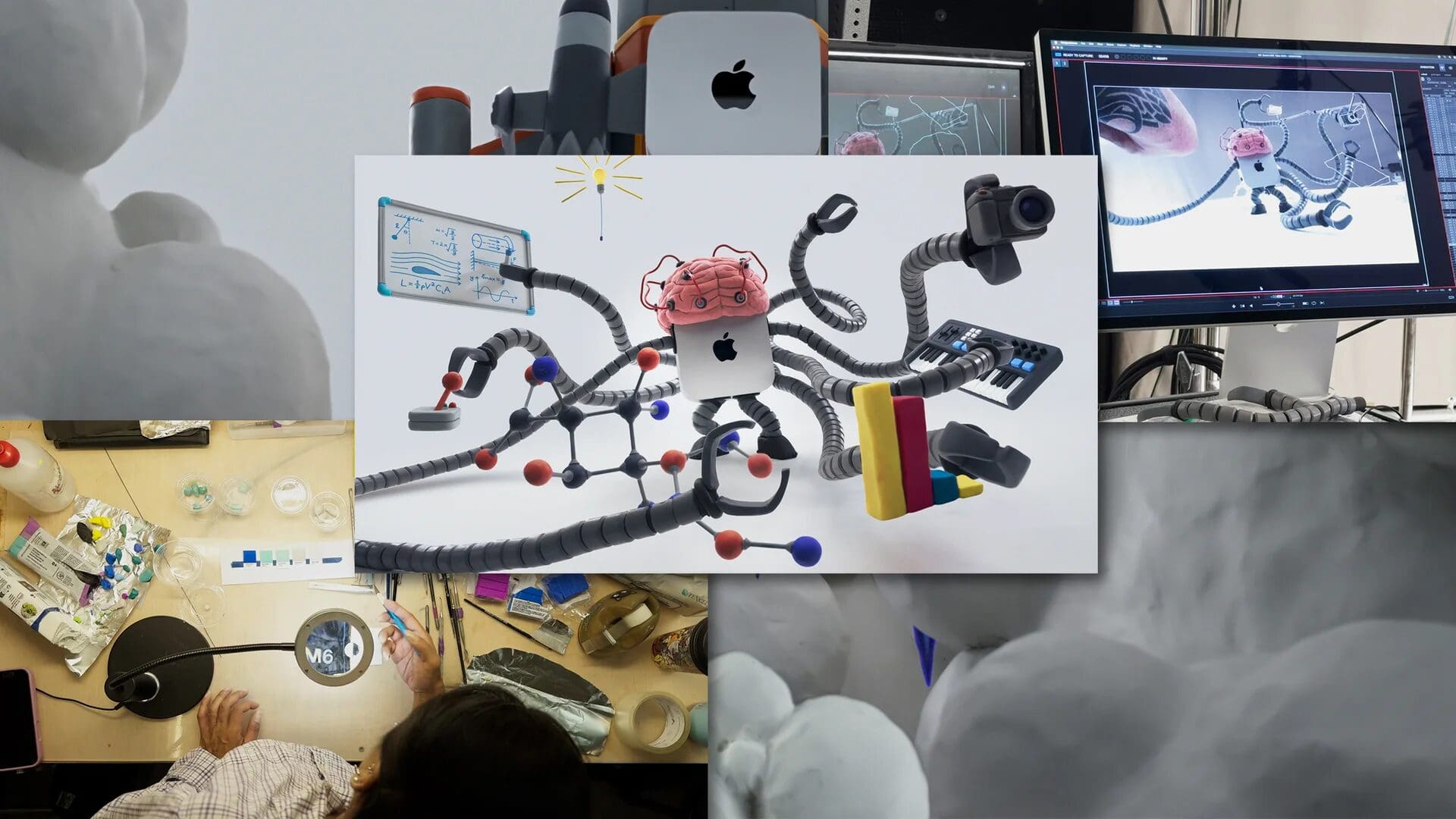
Outside luxury fashion, Apple has also shared behind-the-scenes content documenting the physical production of a stop-motion advertisement for its Mac mini.
These examples point to an opportunity for social media strategy that goes beyond publishing additional footage.
Different content can fulfil different communication objectives. A campaign film can establish recognition through a distinctive visual identity. Content about the production process can build credibility by demonstrating expertise. Stories about collaborators can introduce the people behind the brand, while complementary content can sustain the narrative beyond the initial launch.
The formats themselves are secondary to the purpose they serve.
For premium brands, knowing what not to publish is equally important. Not every production detail strengthens the intended positioning, and excessive exposure can dilute a carefully constructed brand experience.
Effective social media strategy is not about documenting everything. It is about identifying what deserves to be seen, understanding why it matters and presenting it in a way that strengthens the brand.
This is why creative direction and content strategy should be considered together, rather than treating social media simply as the destination for a finished campaign.
04 / THE TAKEAWAY
The Real Lesson for Brands
Prada makes creative experimentation tangible. Dior draws a parallel between traditional animation and the expertise of haute couture. Loewe uses a contemporary artistic process to express its artisanal heritage. Their approaches differ, but each offers an example of how creative execution can communicate something beyond the finished image.
For businesses observing these campaigns, the opportunity is not to reproduce their aesthetic. A wellness studio does not need an animated film to demonstrate expertise. A boutique hotel does not need thousands of painted frames to communicate attention to detail. What these businesses may need is a clearer understanding of which stories already exist within their operations, why those stories matter and how they can contribute to a recognisable brand identity.
That requires more than “just” content production. It requires the ability to recognise what makes a business distinctive, decide what deserves attention and develop a consistent narrative around it.
At By A Management, we bring brand positioning, creative direction and social media strategy together to help brands communicate those qualities with intention. Not every detail needs to become content, and not every trend needs to become a campaign.
The lesson is not to make every campaign by hand. It is to make every creative decision count.
Leave a Reply

– anabel, ceo & founder
Do what you love and love what you do.
Behind our articles stands a team of strategists, marketing experts, and creatives who don’t just talk about digital success – we build it every day. At By A Management, we believe in transparency, expertise, and showing our work. This editorial is your backstage pass to our thinking, our process, and our people.
By A Management is a growing boutique creative agency based in Zurich and Madrid. We specialize in social media, content creation, and strategy-led brand growth for luxury, wellness, lifestyle and fitness brands.


