
All things trends, social media, luxury and marketing
From curated case studies to insights on strategy, creativity, and community
EDITORIAL
THE
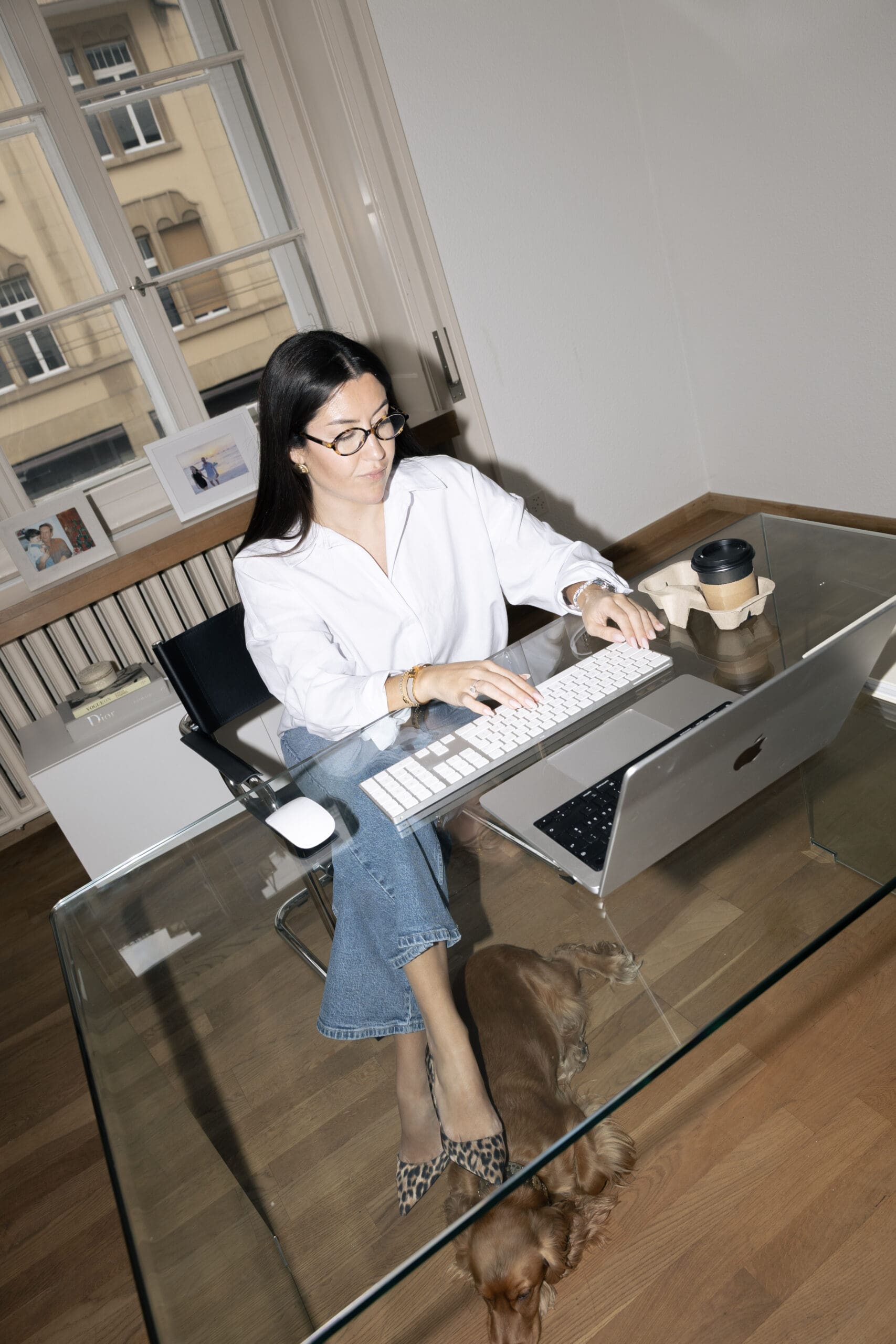
How to Create Engaging Content That Makes the Workplace Comeback Feel Fresh
At By A Management, we always look at seasonal moments through a brand lens first: what is changing in people’s lives, what they need from content during that transition, and how brands can become part of the moment without forcing a seasonal campaign.
September is not simply about returning to a desk.
It is the return of structure, routines, appointments, morning commutes, lunch breaks, evening classes, work wardrobes, city energy, and fuller calendars. After the looseness of summer, people begin looking for ways to feel organised, polished, motivated, and in control again. This creates a valuable content opportunity for brands.
However, the strongest back-to-office content will not consist of staged laptops, takeaway coffee cups, and generic captions about getting back to business. People do not need brands to romanticise an unrealistic corporate routine. They need useful ideas that make their actual routines feel easier, better, or more enjoyable.
That could mean a skincare routine that survives a long workday, jewellery that transforms a simple outfit, a hotel that becomes the setting for a productive afternoon, or a fitness class that fits into a busy calendar.
The opportunity is not to sell “office life.” It is to show how your brand fits into the return to real life.
How to translate the September reset into content strategy
Before creating back-to-office content, brands should understand the emotional shift that happens in September. Summer content is often built around escape. September content should be built around momentum. People are reorganising their schedules, refreshing their wardrobes, restarting routines, booking appointments, setting new priorities, and deciding how they want the final months of the year to feel.
For brands, this can be translated into five strong content directions.
The first is routine integration
Show exactly where your product or service fits into a working day. Do not simply display the product. Place it inside a recognisable moment: getting ready at 7:30, commuting at 8:15, preparing for a meeting, taking a midday break, transitioning into the evening, or recovering after a demanding week.
The more specific the moment, the easier it becomes for the audience to imagine the brand in their own life.
The second is useful transformation
September content should solve a small but real problem. How can someone look polished with fewer wardrobe decisions? How can they maintain a wellness routine during a busy week? How can they move more without rearranging their entire calendar?
Content becomes more valuable when it provides a clear before and after.
The third is renewed identity
Returning to routine often creates a desire to feel different: more organised, more confident, more energised, or more intentional. Brands can connect their products to this identity shift without relying on dramatic “new season, new you” messaging.
The goal is not reinvention. It is refinement.
The fourth is realistic aspiration
Aspirational content still matters, but it should feel achievable. A beautiful desk, a thoughtful morning ritual, a polished work outfit, or an elegant business lunch can create desire without presenting an impossible lifestyle.
The strongest September content makes everyday routines feel elevated rather than completely removed from reality.
The fifth is reduced friction
Useful brands remove decisions, save time, and simplify routines. Content should answer practical questions. What should I wear? What should I book? What should I pack? When should I train? How can I make this routine easier? When a piece of content removes even one small point of friction, people are more likely to save it, share it, and return to it.
With that in mind, here is how different industries can translate the back-to-office moment into relevant social media content.
Wellness brand
Concept: The workweek wellness system
Wellness content in September should not encourage people to create another complicated routine they will abandon within two weeks.
Instead, focus on small rituals that can realistically survive a full calendar.
Think five-minute morning practices, supplements placed beside breakfast, a desk drawer wellness kit, lunchtime walks, hydration reminders, afternoon resets, evening journalling, sleep preparation, and simple ways to create separation between work and personal time.
The content should feel supportive rather than demanding.
Specific content example
Create a five-part series called “The 9-to-5 Reset.”
Each post follows one moment from a typical working week:
Monday: Preparing a wellness kit for the office
Tuesday: A five-minute ritual before opening emails
Wednesday: What to do during a real lunch break
Thursday: A 3:00 p.m. energy reset
Friday: How to transition out of work mode
For the hero video, film a realistic desk drawer containing the brand’s product alongside practical objects such as tea sachets, headphones, a notebook, hand cream, and a water bottle.
Use text on screen to explain when each item is used. This gives the audience a complete idea they can replicate rather than a simple product shot.
Sample hook
“Your September routine does not need to be stricter. It needs to support you better.”
Sample caption
“Five small rituals for the days when your calendar is full and your energy is not. Save this for your first full week back.”
Why it works
The product is presented as part of a wider routine rather than as a miracle solution. The audience receives something useful, while the brand gains a natural and repeatable role in the working week.
Hospitality brand
Concept: One address, an entire workday
Back-to-office content is a strong opportunity for hotels, restaurants, cafés, and members’ spaces to position themselves as part of the city’s professional rhythm.
Do not focus only on overnight stays or formal business meetings. Show all the moments surrounding the working day: breakfast before the office, a quiet lobby meeting, a long lunch, an afternoon coffee, after-work drinks, client dinners, or a one-night reset during an intense week.
The goal is to show how the space can change the feeling of an ordinary weekday.
Specific content example
Create a cinematic reel called “Eight Hours at One Address.”
Begin at 8:00 a.m. with breakfast and coffee. Move into a quiet corner for a morning meeting. Show a lunch table being set, an afternoon espresso arriving, and the lighting changing as the space transitions into evening drinks.
Keep the same person in the story throughout the day. Their outfit, laptop, notebook, and phone create continuity, while the changing environment shows the versatility of the property.
The final frame can display four bookable moments:
Breakfast meeting.
Business lunch.
Afternoon reset.
After-work dinner.
This is much more useful than a general hotel montage because it demonstrates exactly how and when someone could use the space.
Sample hook
“The kind of place that makes a Wednesday feel better.”
Sample caption
“From the first coffee to the last meeting, some workdays deserve a better setting.”
Why it works
The content sells several experiences at once without feeling like a list of services. It also gives local audiences a reason to engage with the property even when they are not planning an overnight stay.
Jewellery brand
Concept: Desk-to-dinner jewellery
September is an ideal moment to move jewellery content away from holiday styling and into everyday versatility.
Show how one piece changes throughout the day: during the commute, beside a white shirt, in a meeting, with rolled-up sleeves, under evening lighting, or paired with a different lip colour before dinner.
The focus should be on the jewellery’s role in helping someone feel finished, even when the outfit itself is simple.
Specific content example
Create a reel called “One Pair of Earrings, Three September Plans.”
The first scene shows the earrings with a white shirt and minimal makeup during the morning commute. The second shows them with a blazer during a meeting or lunch. The third shows the same earrings with the hair pulled back and a darker top for dinner.
Keep the framing consistent so the transformation is easy to see.
A supporting carousel could feature “Five pieces that make a work wardrobe feel complete,” with each slide connecting one product to a specific outfit problem:
The piece for an open collar.
The piece for a high neckline.
The piece for an all-black outfit.
The piece that works with tied-back hair.
The piece that moves from daytime to evening.
Sample hook
“The pieces that do not clock out at 5:00.”
Sample caption
“Morning meeting, late lunch, dinner reservation. One piece, no outfit change required.”
Why it works
The content gives the audience a practical styling reason to choose the product. Instead of positioning jewellery only as a special-occasion purchase, it builds a case for frequent wear and greater value.
Health and beauty brand
Concept: The September skin and beauty reset
The return to routine creates new beauty concerns and new content questions.
People are moving between early mornings, public transport, office environments, appointments, workouts, dinners, and longer days away from home. Beauty content should acknowledge this reality.
Focus on routines that are efficient, educational, and easy to maintain. This could include post-summer skin consultations, daily protection, barrier-supporting routines, makeup that transitions through the day, products to keep at work, or professional answers to common September questions.
The tone should feel credible and modern, not fear-based.

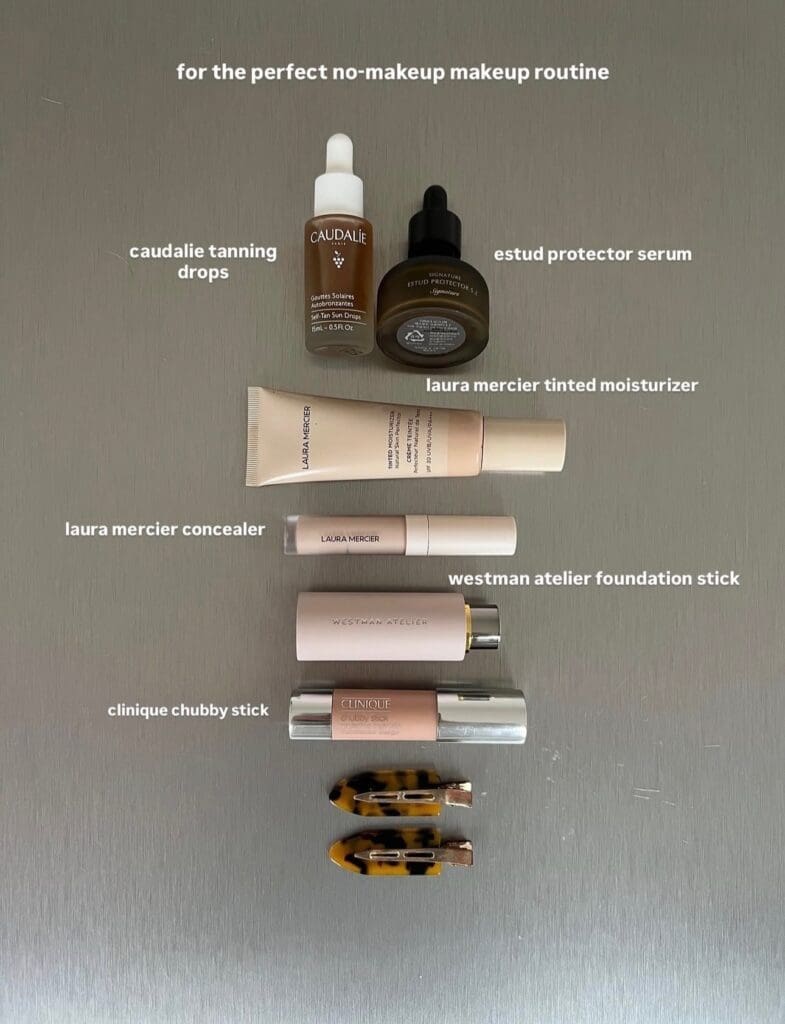
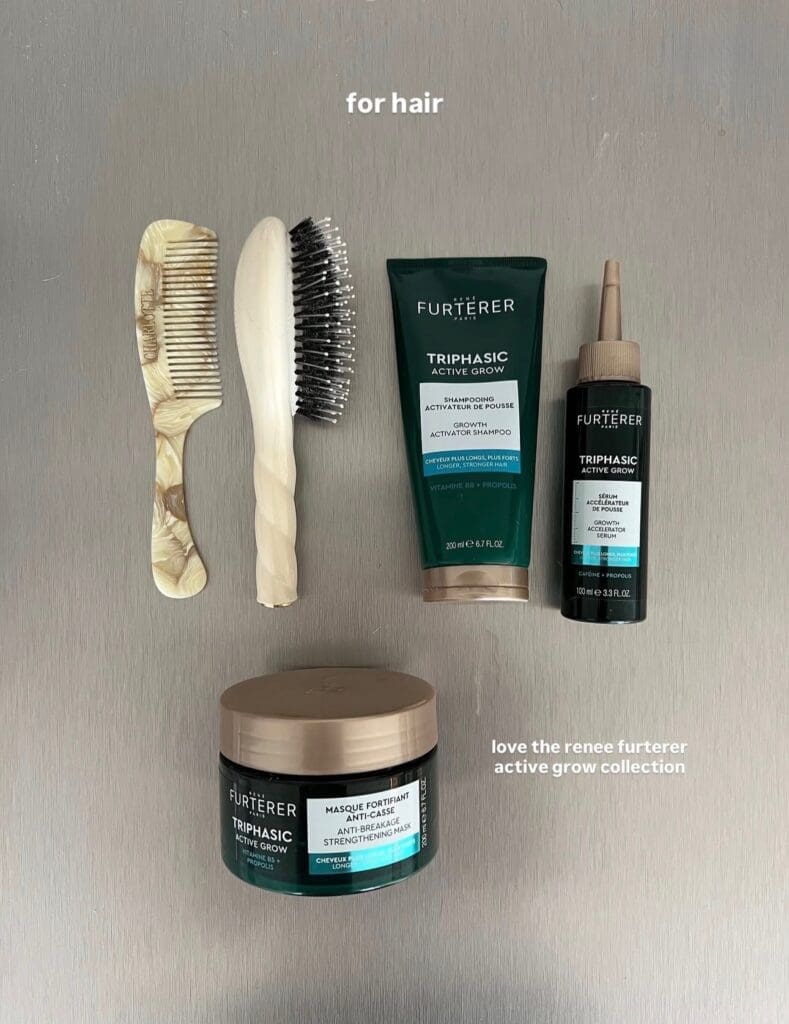
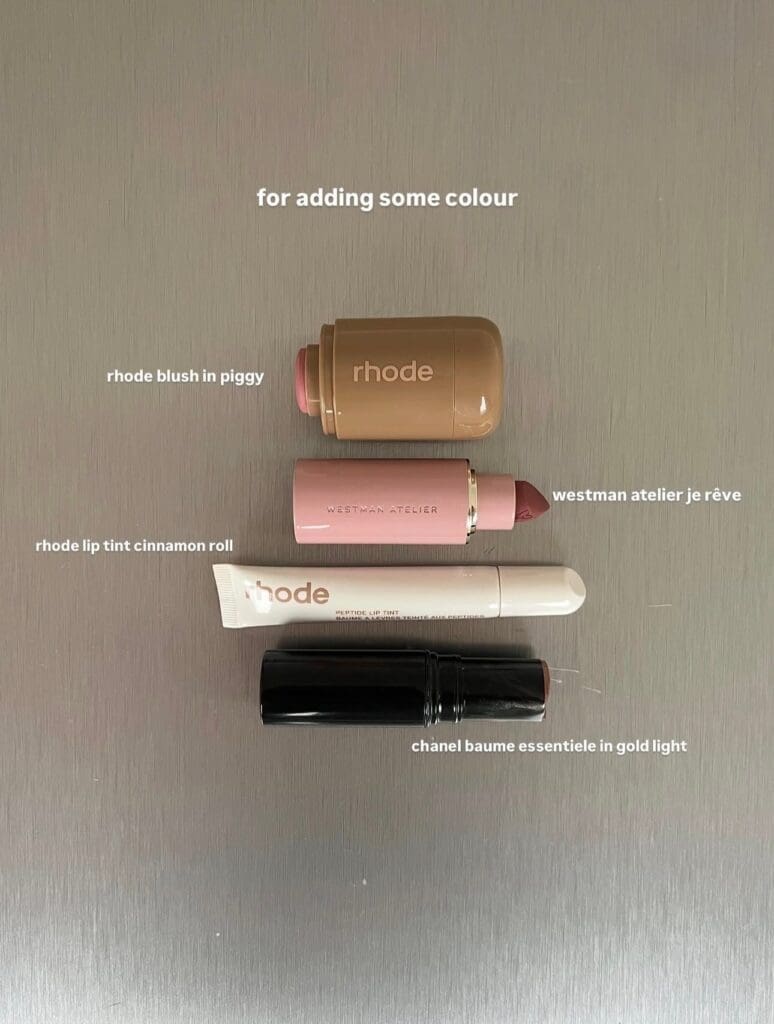
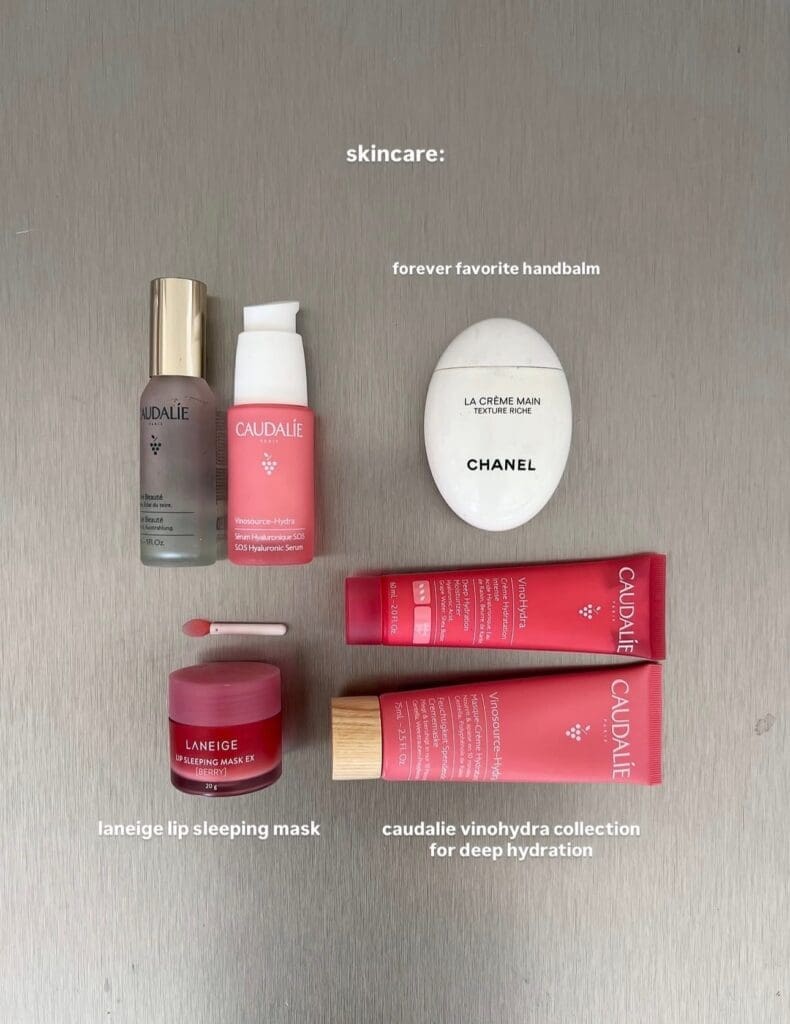
@charlottebroekaert on Instagram
Specific content example
A carousel featuring the team’s current beauty favourites, combining new launches with trusted everyday essentials for the September routine reset.
Sample hook
“Our current beauty favourites for the September reset”
Sample caption
“September calls for beauty products that can keep up with fuller days and changing routines.”
Why it works
A favourites carousel gives the brand a natural, editorial way to introduce new products alongside trusted staples. It feels useful rather than overly promotional, encourages product discovery, and connects each recommendation to the practical beauty concerns customers experience as they return to busier September routines.
Fashion brand
Concept: The working wardrobe, not the office costume
Many fashion brands approach September with generic tailoring, neutral colours, and briefcase styling.
A more useful approach is to help the audience reduce wardrobe decisions.
Show how a small number of pieces can create a complete week of outfits. Focus on transition: warm mornings, cooler evenings, commuting, meetings, lunches, creative offices, and plans after work.
The content should reflect different working environments rather than presenting one narrow version of professional dressing.
@blancaarimany on Instagram
Specific content example
Create a five-day series called “One September Capsule, Five Real Workdays.”
Use eight to ten pieces to build outfits for different scenarios:
Monday: An important meeting
Tuesday: A full day at the desk
Wednesday: A creative presentation
Thursday: Work followed by dinner
Friday: A more relaxed office day
Include practical details in every post. Show the outer layer for the morning commute, the bag that fits the essentials, the shoe change, and how the outfit looks without the blazer.
A second piece of content could focus on one hero product, such as a blazer, and show three styling decisions that make it feel different each time. This gives the product more depth than repeating similar campaign images.
Sample hook
“Five workdays. Eight pieces. No morning outfit crisis.”
Sample caption
“A September wardrobe built for meetings, changing weather, and plans that begin after 6:00.”
Why it works
The content provides a clear styling system. It helps the audience understand how individual products work together, which can encourage multiple-item consideration rather than isolated purchases.
Fitness brand
Concept: Calendar-proof movement
September fitness content often becomes too intense.
Messages about discipline, transformation, and getting back on track can make movement feel like another obligation. A more relevant approach is to show how fitness fits into a working week without requiring a complete lifestyle change.
Focus on realistic time windows, energy levels, and schedules. Show morning classes, express lunchtime sessions, post-work movement, weekend recovery, and shorter alternatives for particularly busy days.
The strongest message is not “work harder.”
It is “make movement easier to return to.”
@julesdejorgept on Instagram
Specific content example
Create a campaign called “Three Ways to Fit Movement Into a Working Day.”
Follow the same person through three different versions of the day:
7:00 a.m.: A focused class before work
12:15 p.m.: A short lunchtime session
6:30 p.m.: An after-work class used to mentally close the day
Each version should include the practical details people usually wonder about. What do they pack? When do they eat? How long does the full visit take? How do they arrive and leave?
The brand can then invite the audience to comment with the time that works for them. This creates useful audience insight while promoting several class times or services.
A second reel could show “The session for the day you nearly cancelled,” with a shorter, lower-pressure format that reinforces consistency without glorifying exhaustion.
Sample hook
“You do not need more time. You need a routine that respects the time you have.”
Sample caption
“Before work, during lunch, or after the final meeting. Choose the version that fits your actual calendar.”
Why it works
The campaign directly addresses one of the main barriers to fitness: scheduling. It also allows the brand to promote several offerings through one coherent story.
What brands should avoid during the back-to-office season
The biggest mistake brands can make is reducing September to an aesthetic. A laptop, a coffee cup, and a blazer do not automatically create a relevant campaign.
Avoid generic office stock imagery, unrealistic morning routines, excessive productivity messaging, content that glorifies overworking, vague “new season, new you” captions, and product posts with no connection to a real working day. Brands should also avoid assuming that everyone has the same schedule or working environment. Some audiences commute to an office every day. Others work from home, move between appointments, run their own business, work shifts, study, travel, or combine several different routines.
The most effective September content leaves room for more than one version of professional life.
What will perform best this September
The strongest back-to-office content will be specific.
It will show when the product is used, where the service fits, what problem it solves, and how it changes a recognisable moment in the day. Instead of saying that a product is perfect for September, show the Tuesday morning when it becomes useful. Instead of telling people to return to their routine, help them build one they can maintain. Instead of creating a perfect office fantasy, improve one part of the working day.
September gives brands an opportunity to move from seasonal inspiration into everyday relevance. The brands that use this moment well will not simply post about getting back to work. They will create content that makes returning to routine feel easier, more intentional, and more enjoyable.
The final question is simple:
What does the return to routine look like inside your brand world?
For one brand, it could mean a calmer morning. For another, it could mean a sharper wardrobe, a more energising lunch break, a better meeting place, or a workout that fits between appointments. Find the moment where your brand becomes genuinely useful.
Then build the content around it.
Leave a Reply

– anabel, ceo & founder
Do what you love and love what you do.
Behind our articles stands a team of strategists, marketing experts, and creatives who don’t just talk about digital success – we build it every day. At By A Management, we believe in transparency, expertise, and showing our work. This editorial is your backstage pass to our thinking, our process, and our people.
By A Management is a growing boutique creative agency based in Zurich and Madrid. We specialize in social media, content creation, and strategy-led brand growth for luxury, wellness, lifestyle and fitness brands.


