
All things trends, social media, luxury and marketing
From curated case studies to insights on strategy, creativity, and community
EDITORIAL
THE
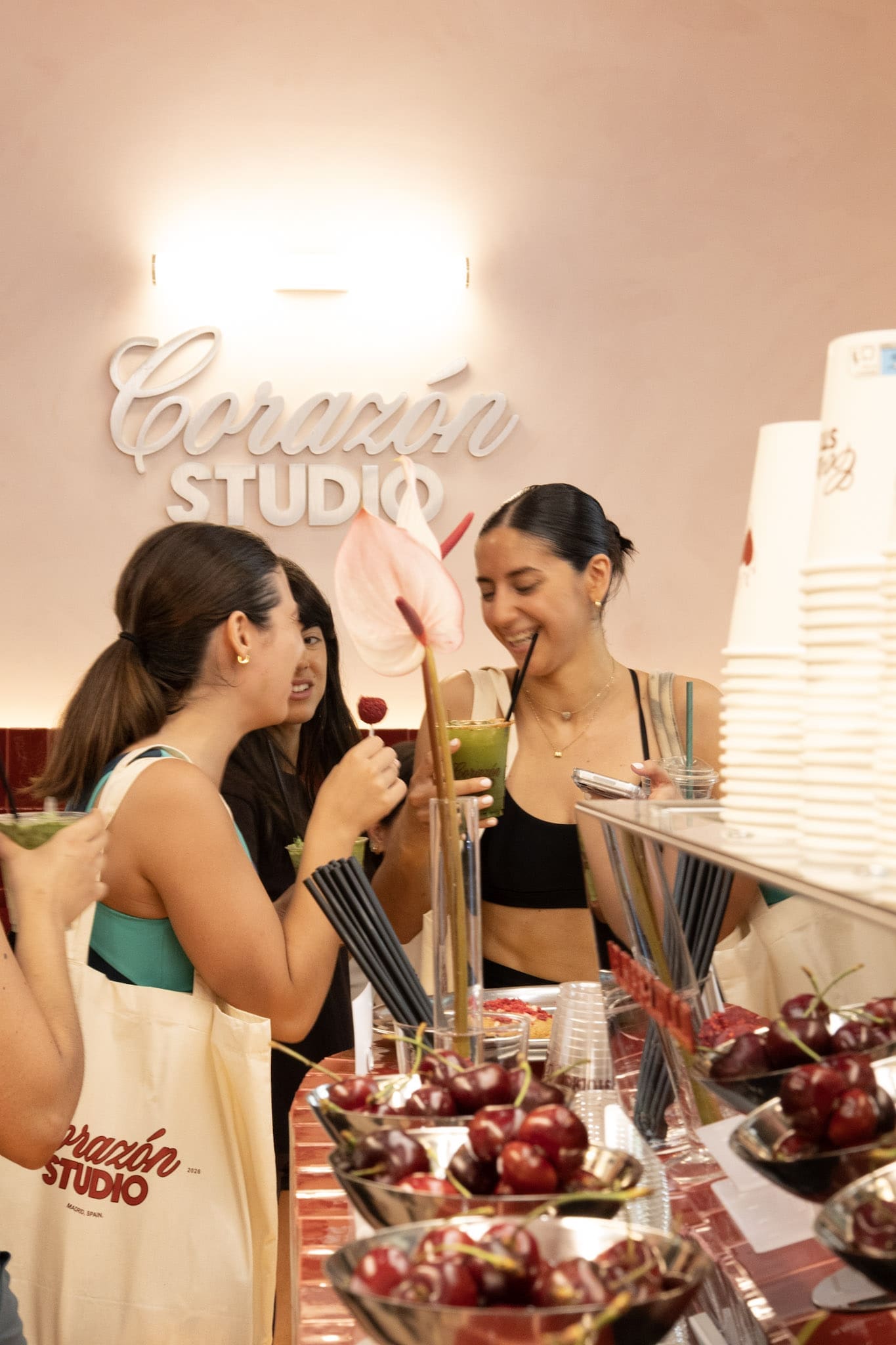
Even though the next (and hopefully the last one) heat wave is announced, autumn is already beginning to make its presence felt. The evenings are slowly drawing in, new-season collections are appearing, and brands are preparing for the final and often most commercially significant months of the year.
Autumn has always represented a return. A return to routine, to the city, to structure, and to a more considered way of living. It is the season of new wardrobes, renewed ambitions, cultural calendars, and carefully planned gatherings. For luxury brands, it has traditionally been an important moment for presenting new objects of desire.
This year, however, desire is taking a different form.
Luxury is no longer defined only by what a person owns. Increasingly, it is defined by what they are invited to experience, where they belong, and how a brand makes them feel.
Consumers still value exceptional products, beautiful craftsmanship, and thoughtful design. Yet the most compelling brands are extending far beyond the transaction. They are creating environments, communities, rituals, and moments that allow audiences to participate in the world of the brand.
Luxury is moving from possession to participation.
The Changing Meaning of Luxury
For decades, luxury communicated status through ownership. A recognisable handbag, a prestigious watch, a rare piece of jewellery, or access to an exclusive destination could communicate taste, success, and social position.
These symbols have not disappeared. However, the cultural meaning surrounding them has evolved.
Today, consumers are placing greater value on experiences that feel personal, emotionally engaging, and difficult to replicate. They want to understand the story behind a product, meet the people who created it, access spaces that are not available to everyone, and connect with others who share their interests.
The object may still be present, but it is no longer always the entire story.
A luxury skincare product becomes more meaningful when it is introduced through a private facial, a founder conversation, or a carefully curated wellness retreat. A fashion collection becomes more memorable when it is discovered through an intimate dinner, a creative workshop, or a temporary installation. A hotel becomes more than accommodation when it offers guests a distinctive cultural programme, local access, and a sense of community.
The value is no longer limited to the item or service itself. It also exists in the atmosphere surrounding it. This is why participation has become such a powerful part of modern luxury. It gives consumers a way to enter the brand world rather than simply observe it from the outside.
From Customers to Community Members
The word “community” is frequently used in marketing, yet genuine community requires more than an audience or a large social media following.
An audience watches. A community participates.
A customer may purchase once. A community member returns, contributes, shares, and develops an emotional relationship with the brand.
The difference is significant.
Luxury brands have traditionally relied on distance, mystery, and aspiration. Maintaining a degree of exclusivity remains important, but exclusivity no longer needs to mean silence or separation. It can also mean thoughtful access.
A private breakfast for loyal clients, an invitation-only wellness class, a seasonal supper, a members’ running club, or a conversation with a designer can all create meaningful proximity without reducing the perceived value of the brand.
In many cases, these moments make the brand feel more desirable because they offer something that cannot simply be added to an online shopping basket. The participant does not only leave with a product. They leave with a memory, a relationship, a photograph, a story to tell, and a stronger sense of belonging. That emotional connection can be far more enduring than the initial purchase.
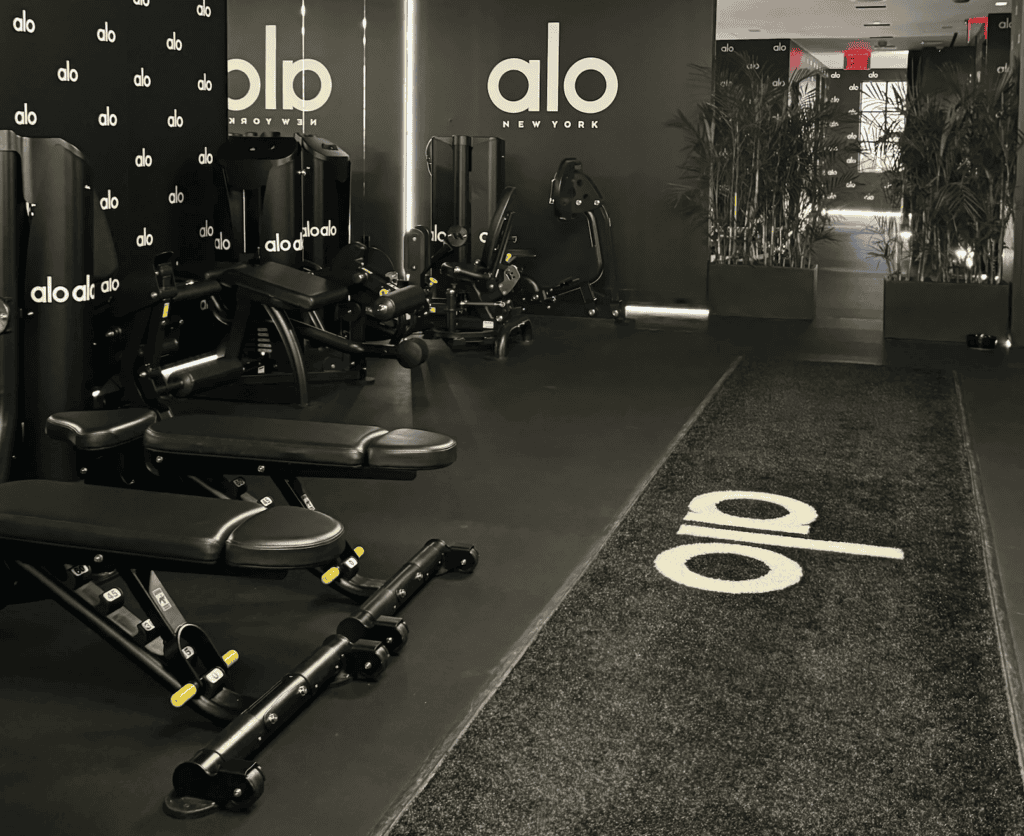
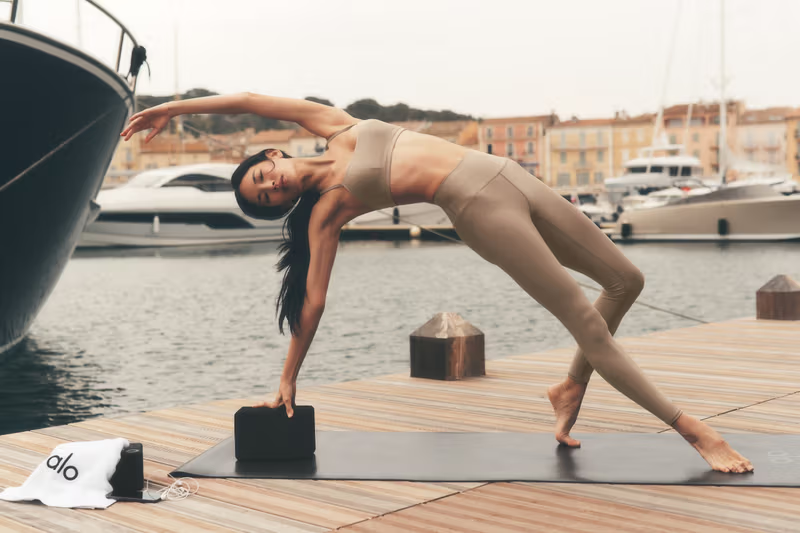
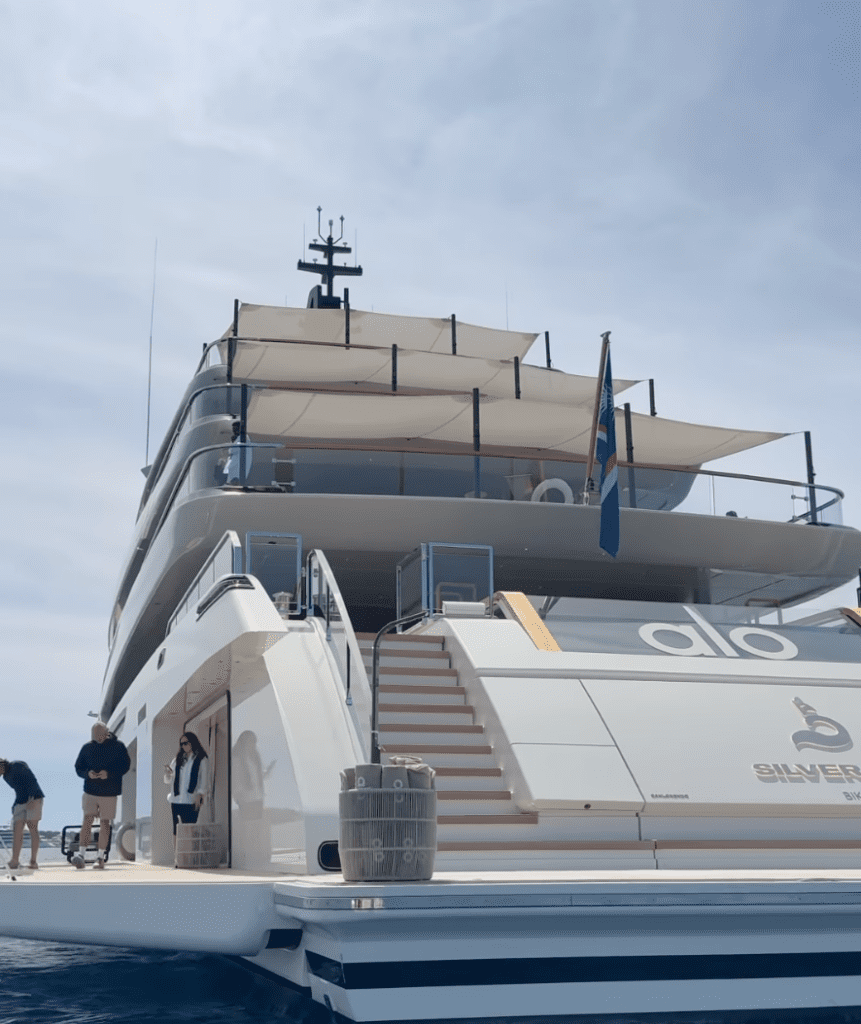
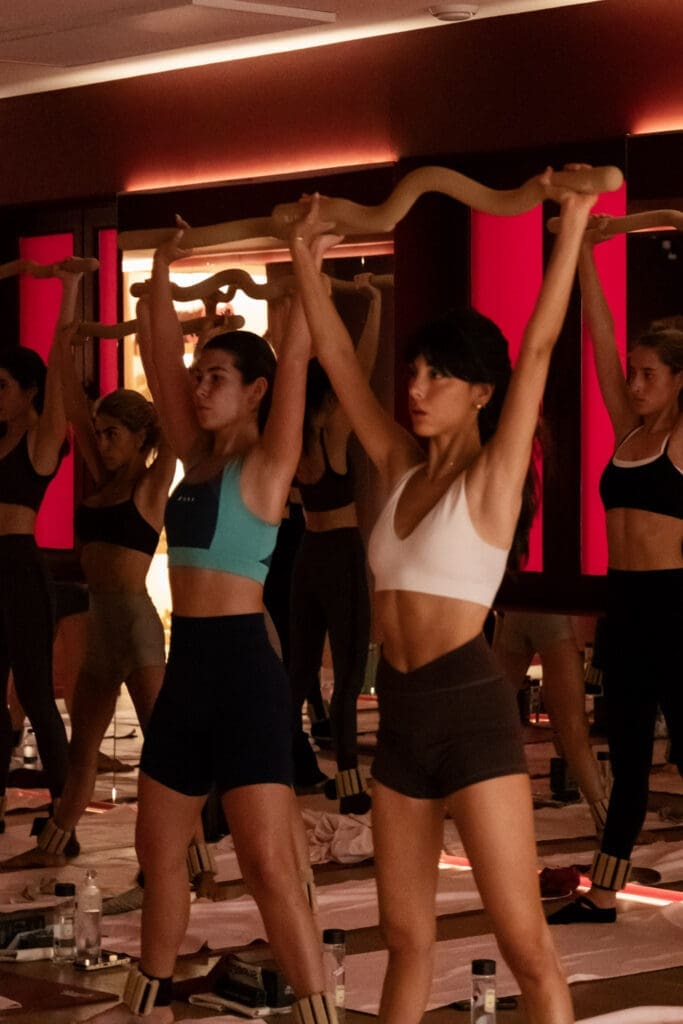
Alo Yoga offers one of the clearest examples of this evolution. The brand no longer asks its audience only to purchase activewear. It invites selected members of its community to enter an entire wellness universe. Its invitation-only Beverly Hills Wellness Club combines fitness, Pilates, recovery treatments, content creation, and social connection, transforming the traditional gym into a highly curated cultural space. More recently, Alo Voyage took this idea to sea, turning a private yacht on the French Riviera into a floating wellness club complete with reformer Pilates, sound baths, recovery therapies, shared dinners, and carefully styled moments around the brand’s Atelier collection.
The significance of these experiences extends beyond their exclusivity. Alo is demonstrating how a product can become the entry point into a desirable way of life. Guests do not simply see or wear the clothing. They move in it, travel in it, recover in it, socialise in it, and create memories around it. The campaign is no longer something the audience passively observes. It becomes a world that selected participants are invited to inhabit.
Autumn as a Season of Reconnection
Summer is often associated with escape. People travel, routines become less structured, and communication becomes lighter and more spontaneous. Autumn brings a different energy.
It is a natural moment for reconnection.
People return to familiar cities, professional schedules, fitness routines, cultural events, and social calendars. They become more receptive to structure, discovery, and new commitments. This creates an important opportunity for brands to invite their communities back into a shared rhythm.
Autumn also encourages a more sensory and atmospheric form of storytelling. The season offers rich visual and emotional cues: warm interiors, layered fabrics, candlelight, seasonal food, restorative rituals, deeper colours, and slower evenings. These elements can help brands create experiences that feel intimate, considered, and culturally relevant.
For a wellness brand, autumn might inspire a programme focused on restoration, immunity, sleep, or returning to routine. For a hospitality brand, it might become a series of seasonal dinners, fireside conversations, local cultural itineraries, or weekend retreats. For a fashion or beauty brand, it could be an opportunity to transform a new collection into an event, workshop, styling experience, or private consultation.
The strongest autumn activations will not simply decorate an existing campaign with seasonal colours. They will respond to how people actually feel at this point in the year. After the freedom and movement of summer, many consumers are looking for grounding, connection, inspiration, and a renewed sense of purpose. Brands that understand this emotional shift can become part of the consumer’s seasonal transition.
The Rise of Brand-Led Rituals
One of the clearest expressions of participatory luxury is the rise of the brand-led ritual.
Rituals create consistency and emotional meaning. They give people a reason to return and allow a brand to become part of everyday or seasonal life. A ritual does not need to be elaborate. It might be a monthly gathering, a Sunday morning movement class, an evening skincare routine, a seasonal menu, a recurring creative salon, or a private appointment that customers look forward to each year.
What matters is that the experience feels intentional and recognisable.
When a brand creates a ritual successfully, it moves from being something a consumer occasionally buys to something they actively integrate into their life. This is particularly relevant during autumn, when people naturally seek new habits and routines.
September often feels like a second beginning. It carries a sense of renewal that is similar to January, but without the same pressure for dramatic transformation. Consumers may be more open to trying a new class, joining a community, attending a series of events, changing their skincare routine, or investing in their personal development.
Luxury brands can respond by designing experiences that support this desire for renewal. The goal should not be to create activity for the sake of visibility. The goal should be to create a meaningful reason for participation.
When Wellness Becomes a Social Language
The relationship between luxury and wellness continues to deepen, but wellness itself is also changing. It is no longer viewed only as a private pursuit. Increasingly, it is becoming a social language.
People connect through movement classes, running communities, retreats, cold-water swimming, meditation sessions, nutrition workshops, and conversations around health and longevity. These activities provide both personal value and social connection.
For brands, this creates opportunities to build communities around shared behaviours rather than only shared purchasing power.
A luxury brand may bring clients together through a morning walk, a sound healing session, a nutrition breakfast, or an expert-led discussion. A hotel may become a local wellness destination rather than simply a place for overnight guests. A beauty brand may create educational experiences that help customers understand ingredients, techniques, and long-term skin health. These moments allow the brand to demonstrate expertise while also creating a more human relationship with its audience.
The consumer becomes an active participant in their own transformation.
This is important because contemporary luxury is increasingly connected to self-development. Consumers are not only asking what a product communicates about them. They are also asking what it does for them, how it supports them, and whether it contributes positively to their life.
Autumn is especially suited to this conversation. As routines return and energy begins to shift, consumers often look for ways to feel healthier, more balanced, and more prepared for the months ahead. A thoughtful brand experience can meet this need while building trust and relevance.
Experiences Must Offer More Than a Photo Opportunity
The popularity of experiential marketing has created a wave of pop-ups, dinners, branded classes, and immersive installations. Some are highly effective. Others are visually impressive but emotionally empty.
A beautiful setting may attract attention, but it does not automatically create connection.
Consumers are increasingly familiar with branded experiences. They can recognise when an event has been designed primarily to produce social media content rather than offer genuine value to the people attending.
Participation must therefore be purposeful.
The experience should teach something, provide access, encourage conversation, support wellbeing, create cultural relevance, or offer a memorable form of hospitality. It should reflect the brand’s values and identity rather than follow a trend that could belong to any company.
A wellness brand should not organise a dinner simply because dinners are fashionable. It should consider what the menu communicates, who is brought together, what conversation is created, and how the experience connects to the brand’s wider philosophy. A fashion brand should not launch a running club without understanding whether movement has a credible relationship with its product, community, and visual language. A hotel should not introduce a cultural programme only as an additional amenity. It should consider how that programme can connect guests with the destination and strengthen the hotel’s role within the local community.
The experience must feel inevitable for the brand, not added for attention.
Participation Creates Content Naturally
One of the most valuable aspects of a strong brand experience is its ability to generate content without making content production the sole purpose.
When people are genuinely engaged, they document what they are doing. They share the environment, the people they meet, the knowledge they gain, and the emotions they experience. This form of content often feels more credible than a conventional campaign because it shows the brand in motion. Instead of telling audiences that a community exists, the content allows them to see it. Instead of describing a brand as warm, creative, exclusive, or transformative, the experience provides evidence.
However, brands should think beyond the most obvious event photographs.
The content opportunity begins before the experience and continues long after it has ended. The preparation can reveal craftsmanship and intention. Invitations can establish the mood. Contributors can share their perspectives. Guests can be introduced through thoughtful storytelling. Key conversations can become editorial content. Seasonal insights can be developed into newsletters, social posts, interviews, or guides.
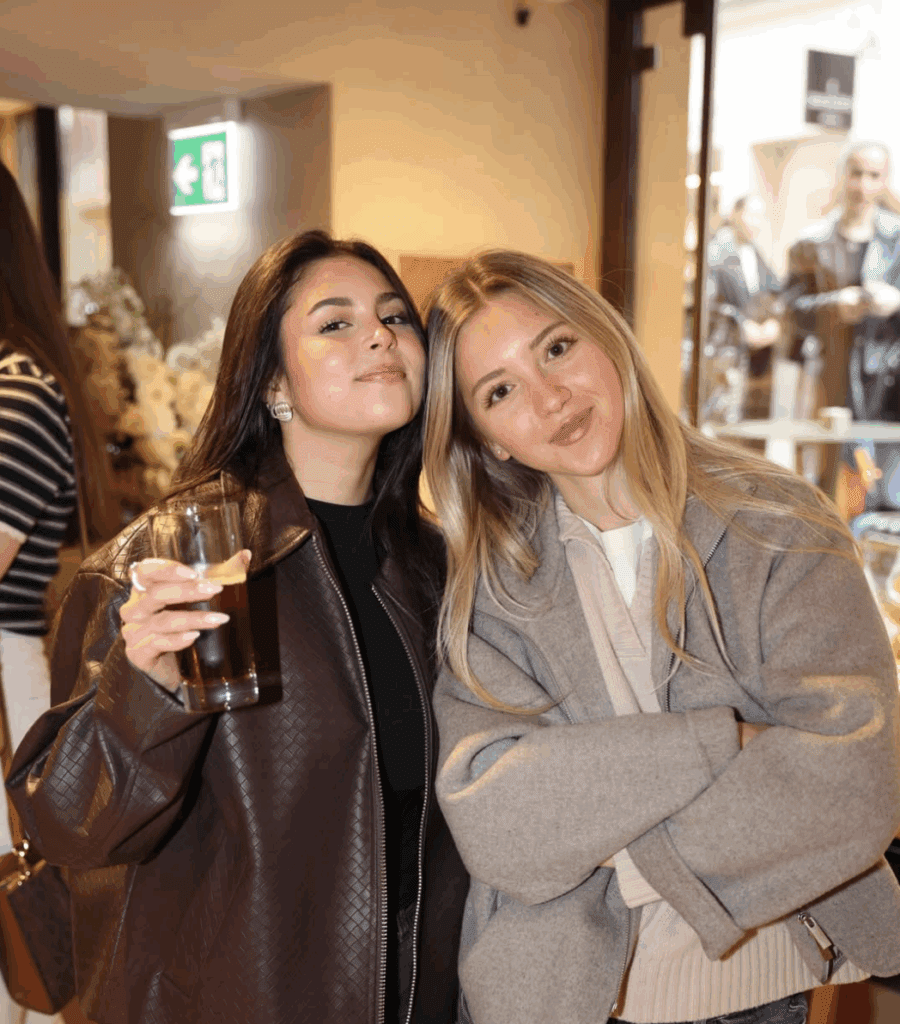
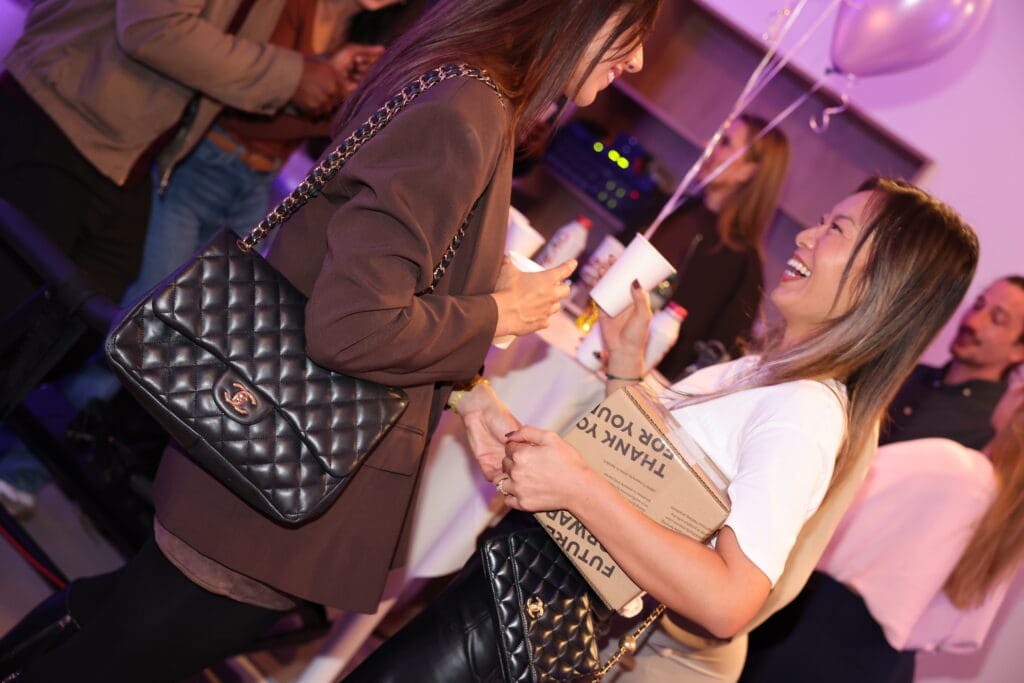
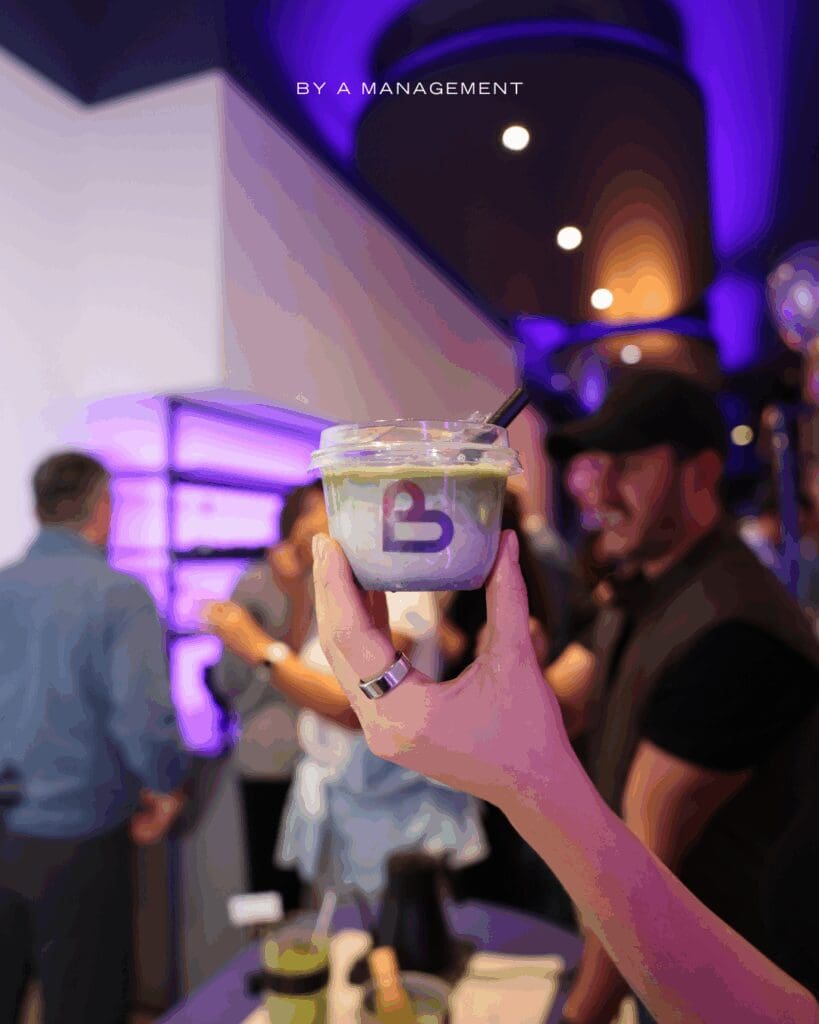
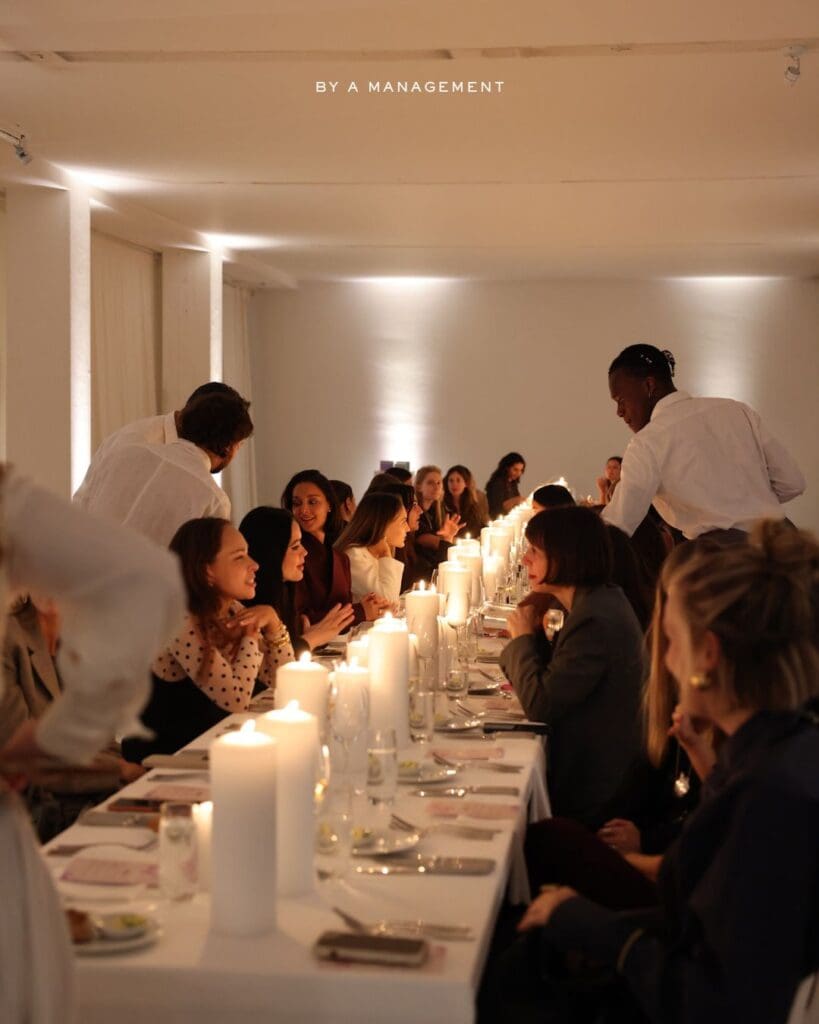
At By A Management, we believe that the most effective experiences and the most effective content strategies should be developed together. The event should create a story, and the story should extend the life of the event.
Digital Participation Matters Too
Participation does not always require a physical invitation.
Digital experiences can also make audiences feel involved, particularly when they offer access, education, or a meaningful role in the conversation.
Brands can invite their communities to contribute questions, choose topics, join live discussions, access expert guidance, participate in seasonal challenges, or share their own interpretations of a campaign. The key is to avoid treating digital participation as a simple engagement tactic. A poll may create a temporary increase in interaction, but meaningful participation requires a sense that the audience’s involvement matters.
For example, a beauty brand could develop an autumn skin programme shaped around questions submitted by its community. A hospitality brand could invite local creatives to curate seasonal city guides. A wellness studio could build a month-long reset that combines in-person classes with digital education and community check-ins.
These formats allow the brand to remain present between purchases and physical events.
They also make participation more accessible while maintaining the option for exclusive layers. A public conversation might lead to a private event. A digital guide might introduce a limited programme. An online community might create demand for an in-person gathering.
The physical and digital experience should not compete. They should strengthen one another.
The New Role of the Luxury Space
Retail spaces, hotels, studios, clinics, restaurants, and showrooms are also evolving. They are no longer only places where transactions happen. They are becoming stages for brand culture.
A store can host conversations, exhibitions, appointments, workshops, and intimate gatherings. A hotel lobby can become a meeting point for local creatives. A treatment space can become an educational environment. A restaurant can become a platform for collaboration.
This does not mean that every luxury space needs a full calendar of events. Constant activity can reduce the sense of intention that makes an experience feel special.
The value lies in curation.
A carefully selected programme can create new reasons to visit while deepening the identity of the space. The programme should reflect the interests of the desired audience and reinforce what the brand wants to represent culturally.
Autumn provides a particularly strong moment to activate physical spaces. As people spend more time indoors, atmosphere becomes increasingly important. Lighting, scent, sound, texture, food, and hospitality can work together to create a complete sensory experience.
In this context, the space itself becomes part of the product. Consumers may first enter because of an event, but they may return because of how the space made them feel.
Building Participation Into the Brand Strategy
Participatory luxury should not be treated as a seasonal marketing trend. It should be connected to the wider brand strategy. Before creating an event, community, or programme, brands should consider several questions:
What role does participation play in the customer journey?
What type of access would the audience genuinely value?
What can the brand offer that cannot easily be found elsewhere?
How does the experience reflect the brand’s positioning?
What should participants feel before, during, and after the experience?
How will the relationship continue once the event is over?
These questions help move the conversation beyond the format. The objective is not simply to decide between a dinner, a class, a retreat, or a pop-up. The objective is to understand why the experience should exist and what relationship it is designed to create.
The most effective participatory strategies are often built over time. A single event can introduce the idea, but consistency creates community. Seasonal gatherings, recurring appointments, ongoing educational content, and thoughtful follow-up can transform a moment of attention into a long-term relationship.
Autumn can therefore serve as the beginning of something rather than a temporary campaign.
A September gathering might introduce a community that continues throughout the year. An October workshop might become a recurring series. A seasonal wellness programme might lead to a longer membership model. A private dinner might create the foundation for an ambassador network.
From Audience to Belonging
The next chapter of luxury will not be defined only by visibility. It will be defined by belonging.
Brands that create meaningful participation can develop stronger relationships, richer stories, and communities that extend far beyond a single transaction.
This autumn, the question for luxury brands is not only what they will launch.
It is what they will invite people to join.
At By A Management, we help luxury, hospitality, beauty, and wellness brands transform their ideas into thoughtful strategies, experiences, and content that create lasting cultural and commercial relevance. Because the future of luxury is not simply about owning more.
It is about feeling part of something worth remembering.
Leave a Reply

– anabel, ceo & founder
Do what you love and love what you do.
Behind our articles stands a team of strategists, marketing experts, and creatives who don’t just talk about digital success – we build it every day. At By A Management, we believe in transparency, expertise, and showing our work. This editorial is your backstage pass to our thinking, our process, and our people.
By A Management is a growing boutique creative agency based in Zurich and Madrid. We specialize in social media, content creation, and strategy-led brand growth for luxury, wellness, lifestyle and fitness brands.


