
All things trends, social media, luxury and marketing
From curated case studies to insights on strategy, creativity, and community
EDITORIAL
THE

The Week Everything Resets
There is a particular week, somewhere in late August, when the tone of a feed changes before anyone announces it. The light in photos shifts slightly, warmer, longer shadows, the kind of golden hour that reads as an ending rather than a continuation. Captions start hinting at “what’s next” instead of “what’s happening now.” Stories about staycations and long lunches give way, gradually, to previews of collections, menus, and programming that have not launched yet. A studio quietly posts its September class schedule days before August is even over. A restaurant teases a new tasting menu between the last beach dinners of the season. Nobody sends a memo. It simply starts happening, brand by brand, almost in unison, as if every account is reading the same unspoken calendar.
This is a shift that happens every year around this time, whether a brand is paying attention to it or not. For brands that wait until the actual first days of September to start signalling change, that shift arrives a beat too late, landing on an audience that has already moved on mentally, rather than meeting them at the exact moment their attention returns. The brands that get this right are rarely the ones with the biggest seasonal campaign. They are the ones paying close enough attention to notice the mood shifting a week before the calendar does, and quiet enough about it that the transition feels observed rather than orchestrated.
The difference is rarely visible in any single post. It shows up instead in the overall feeling of an account: whether a brand seems to be reacting to the season, or already living inside it. An audience does not consciously register that a caption was scheduled a week early. What they register is a quieter, harder to name sense that a brand is in step with them, already thinking about the dinner they will host in October, the wardrobe they will need for a cooler evening, the routine they will rebuild once real life resumes. That sense of being slightly ahead, without ever feeling rushed or salesy about it, is what separates a seasonal transition that feels considered from one that feels like a scramble to catch up.
Comebacks Are Won in the Days Before They’re Announced
It is easy to think of a “September relaunch” as something that happens on a single date: the new collection drops, the new menu goes live, the new class schedule opens for booking. But the audience’s actual experience of a comeback rarely starts on launch day. It starts with the small signals leading up to it: a caption that mentions “something changing soon,” a behind-the-scenes glimpse of preparation, a countdown that feels more like anticipation than pressure.
This is precisely why the final week of August matters disproportionately more than its short length suggests. It is the window where a brand gets to decide whether its September moment feels like a surprise the audience discovers, or an event the audience has been quietly looking forward to. The second version almost always performs better, because anticipation compounds attention in a way a cold launch cannot replicate.
We wrote last month about why September itself is the ideal moment for a brand refresh, a natural inflection point when audiences are actively looking for reasons to re-engage after a slower summer. What that piece did not cover in depth is the week before: the specific, practical work of setting that reset in motion while attention is still gathering, rather than waiting until the moment it has already arrived.

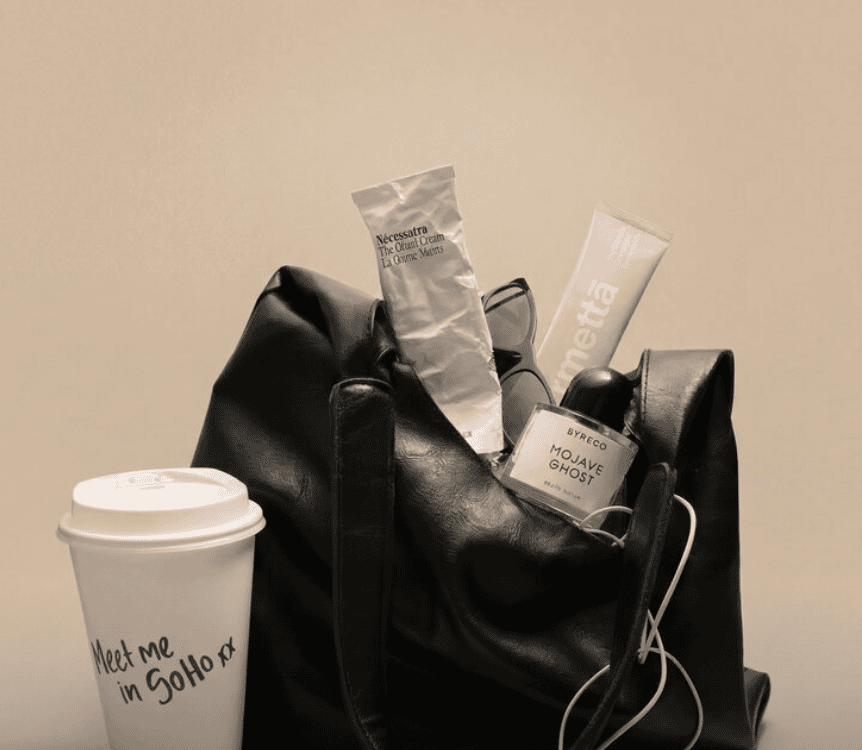
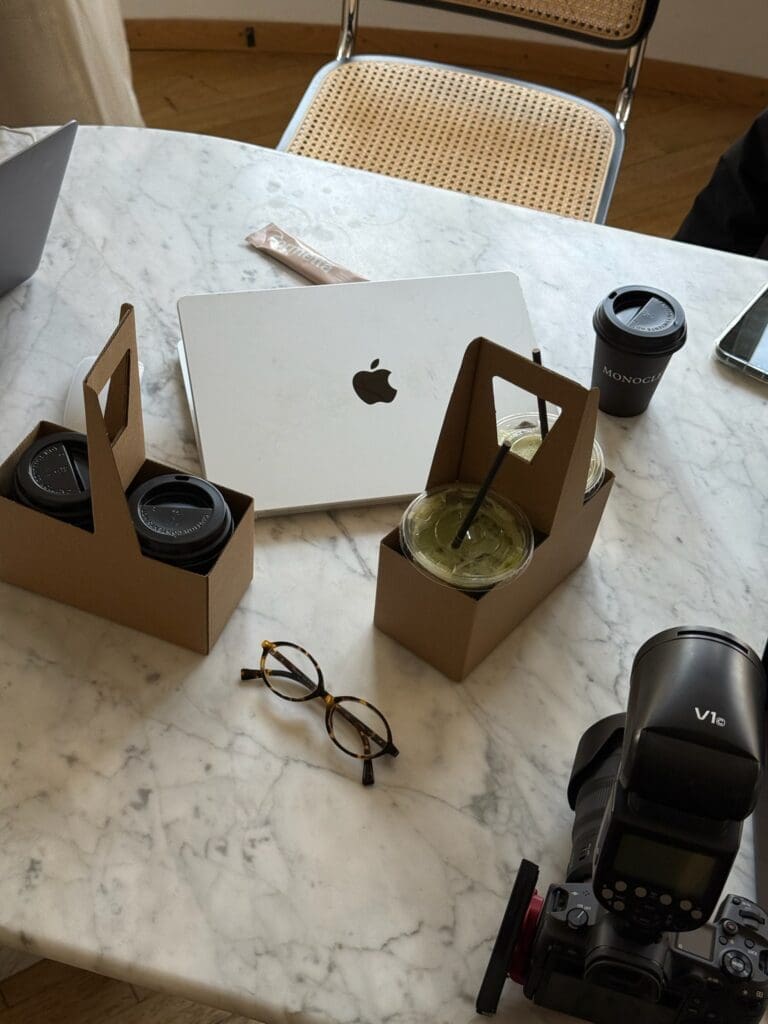
What Late August Content Should Actually Be Doing
The final days of August carry a specific job that differs from both summer content and the September launch itself. It is not the time for a full reveal, and it is not the time to keep posting as though nothing is about to change. Instead, this window works best as a bridge, content that acknowledges the season is turning without giving away exactly what comes next.
A few formats tend to do this well. A short, honest note from the founder or team about what has been in the works over the quieter summer weeks gives the audience a sense of momentum building behind the scenes, without needing to specify what that momentum will produce. A visual shift in the feed itself, slightly different lighting, a new colour palette, a subtly different tone in captions, signals change before any announcement does, in much the same way a shop window changes before a new collection is officially in stock. A simple, low-key question posed to the audience, something like “What are you hoping to see more of this autumn?”, both gathers useful input and quietly primes people to expect something new, without committing the brand to a specific promise before it is ready to keep it.
There is also a version of this bridge that works entirely without words: a slightly slower cadence of posting for a few days, just enough of a pause to feel deliberate rather than absent, followed by a noticeably different first post back. Audiences read silence differently depending on what surrounds it. A brand that has been posting consistently all summer and then goes quiet for three or four days before returning with a shift in tone reads as intentional. The same silence from an account that already posts inconsistently reads as nothing at all, which is why this particular tactic only works for brands that have already built a reliable rhythm worth interrupting. None of these require a large production. What they require is timing: publishing them in the window when attention is naturally returning, rather than after the audience has already re-established their autumn routines without the brand as part of them.
Building the Bridge Without Giving Away the Reveal
For service-based brands especially — clinics, studios, hospitality venues — there is a practical dimension to this window that goes beyond content tone. Booking behaviour itself tends to shift in the final week of August, as people begin planning their September calendars even while technically still on summer time. A brand that opens autumn availability, treatment packages, or membership options during this window is meeting a decision that is already being made, rather than waiting for demand to build after the fact.
This is part of why “pre-booking” content performs disproportionately well in this specific stretch. It is not simply a sales tactic; it aligns with a real behavioural pattern, where people are more receptive to committing to autumn plans in the last quiet days of summer than they are once the business of September has fully taken over their schedule.The hardest part of this window is calibration: saying enough to build anticipation without saying so much that the actual September reveal feels redundant. The safest approach is to tease the feeling of what is coming rather than the specifics. A caption can say that something has been “quietly in the works all summer” without naming it. A story can show hands preparing something without revealing what it is. The goal is to let the audience sense that change is close, so that when the full reveal arrives, it feels like the payoff to something they were already anticipating, not a cold start.
This is also where consistency across the final week matters more than any single post. One teaser is easy to miss. A short, quiet thread of them — spaced across the final days of August — builds a sense that something is genuinely building, in a way a single post cannot replicate on its own.
At By A Management, we plan this exact transition with our clients every year: not treating September as a single launch date, but as the destination of a short, deliberate runway that starts in the final days of August, when attention is already turning, even if the calendar has not yet caught up.



IviLounge‘s late-August content: a ritual reset, a nutrition swap, a haircare refresh, each hinting that the season is turning before anything is announced directly.
What This Looks Like in Practice
In practice, this rarely needs more than four or five posts spread across the last week of August, each carrying a small piece of the transition rather than the whole of it. Early in the week, a reflective note tends to work well: a founder or team member speaking briefly about what the quieter summer months were actually spent on, without naming the outcome yet. A wellness clinic might frame this around a protocol being finalised. A boutique studio might frame it around a new instructor being trained, or a class format being refined behind closed doors. A hospitality brand might frame it around a menu being tested in private tastings before anyone outside the kitchen has seen it.
Midweek is where the visual shift tends to land best: a slightly different colour grade, a change in the kind of imagery being posted, a story that shows preparation without narration, hands arranging something, a space being reset, a delivery being unpacked. This is also a natural point for the low-key audience question, since engagement gathered here can double as genuine research for whatever launches next, rather than existing purely as an engagement tactic.
By the final days of the week, the tone can shift from reflective to practical. This is when pre-booking, early access, or a simple “calendars open next week” note tends to perform best, because it gives an audience already planning their September something concrete to act on, without requiring the full reveal to have happened yet. A studio might quietly open its September class calendar two or three days before publicising it widely. A clinic might offer existing clients first access to autumn appointment slots. None of this needs to be loud. The quietness is, in fact, part of what makes it feel like access rather than advertising.
It requires only enough intention to let a few small signals go out while attention is still gathering, rather than waiting for a calendar date to make the case for a brand. By the time September actually arrives, the light will have changed, the routines will already be rebuilding themselves, and the only real question left is whether a brand was part of that shift as it happened, or arrived to announce it after everyone had already moved on.
If your own runway into September still feels more improvised than intentional, this is usually the easiest moment in the year to change that, while there is still time to be quiet about it. At By A Management, this is the exact transition we plan with our clients every year, and we would be glad to help you build yours before the season fully turns.
Leave a Reply

– anabel, ceo & founder
Do what you love and love what you do.
Behind our articles stands a team of strategists, marketing experts, and creatives who don’t just talk about digital success – we build it every day. At By A Management, we believe in transparency, expertise, and showing our work. This editorial is your backstage pass to our thinking, our process, and our people.
By A Management is a growing boutique creative agency based in Zurich and Madrid. We specialize in social media, content creation, and strategy-led brand growth for luxury, wellness, lifestyle and fitness brands.


